




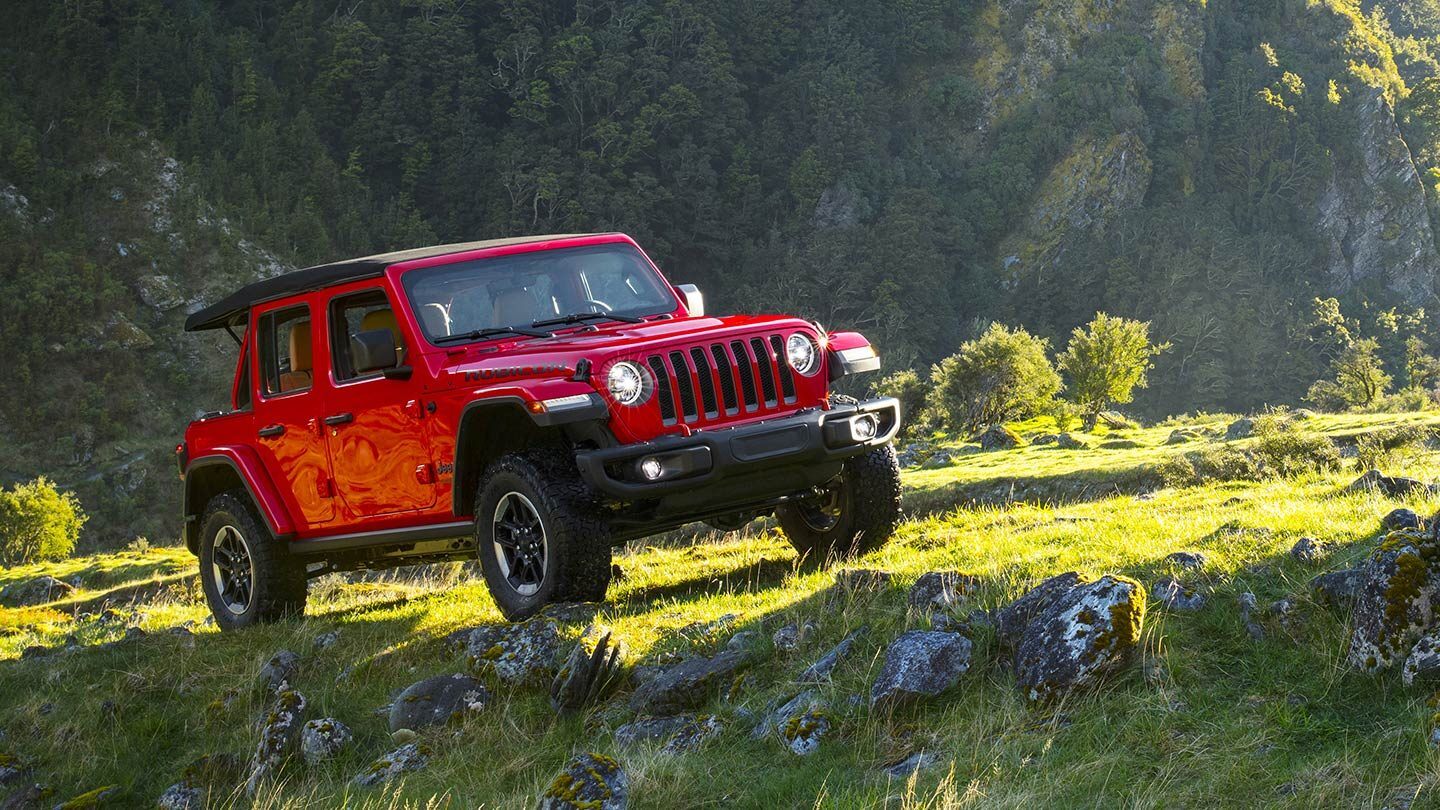
Whether you're a first-time adventurer or a seasoned trail enthusiast in Ocean Township, NJ, understanding what your Jeep can do helps you get more out of every trip.
What Surfaces Can Jeeps Drive On?
Jeeps are designed to handle a wide range of terrain types. Mud, gravel, sand, rock, and snow are all fair game for just about every model and trim. Loose surfaces like sand benefit most from airing down tires for better flotation, while rocky terrain demands high ground clearance and skid plates to protect the undercarriage.
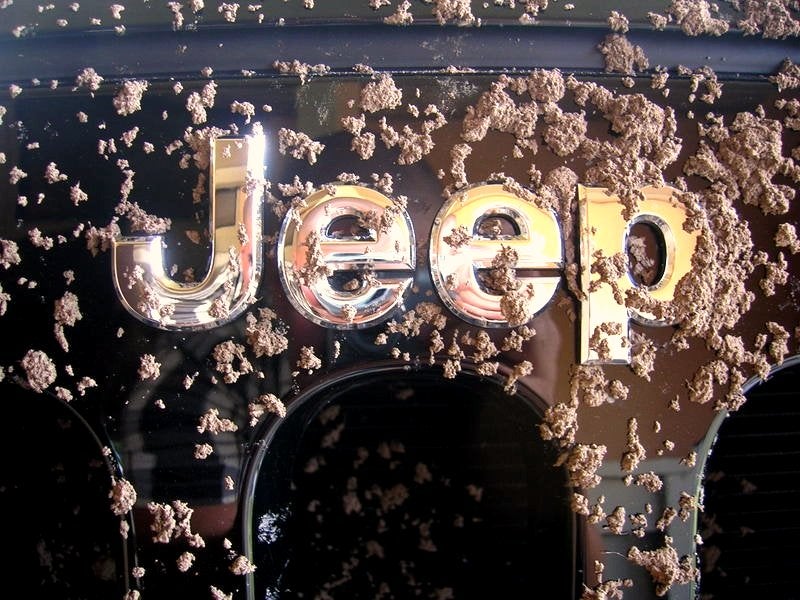
Mud requires deep-tread tires which most Jeeps are equipped with and a limited-slip or locking differential to prevent spinning out. Each surface presents different challenges, but Jeep vehicles love the challenge.
What Specs Should You Look For in a Jeep Off-Road Build?
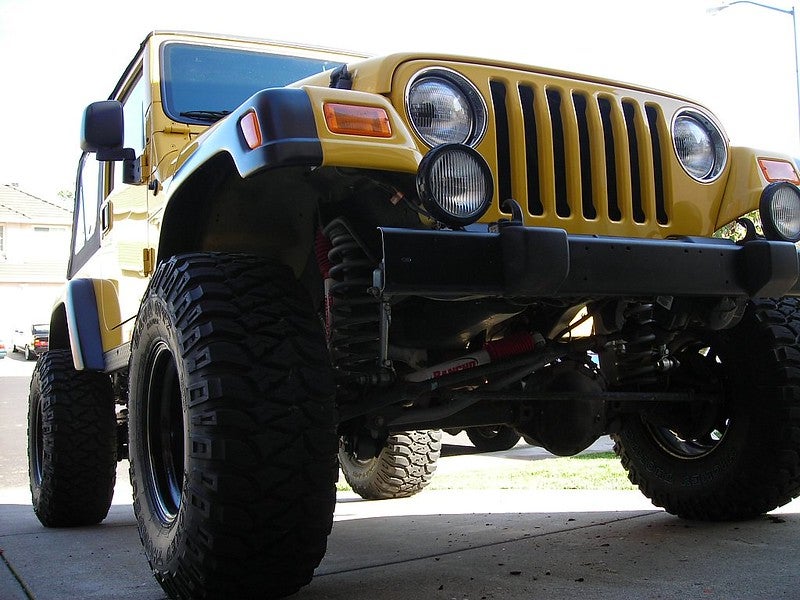
The most important specs for Jeep off-road performance include ground clearance, approach angle, departure angle, and breakover angle. These numbers tell you how steep of an incline it can climb, how large of an obstacle it can clear, and how much belly clearance it has to overcome it all.
For example, the 2026 Jeep Wrangler Rubicon offers class-leading articulation and front and rear locking differentials, making it one of the most capable builds in the lineup. The 2026 Jeep Gladiator Rubicon adds the utility of a truck bed while maintaining serious trail performance.
What Does Trail Rated® Mean and Why Does It Matter?
The Trail Rated® badge is awarded to Jeeps that meet a strict set of capability standards across 5 categories: traction, ground clearance, maneuverability, articulation, and water fording.
A Trail Rated® Jeep has been tested on some of the most demanding terrain in the world to ensure it performs when conditions get tough. They can handle driving through streams with their sealed electrical systems and high air intakes, can navigate sharp, craggy turns and keep the wheels on the ground, and clear logs, boulders, and more.
Some trims across a few models are even Desert Rated® with jounce control dampers, the ability to handle heat and dust, and maintain traction on sand. Not every Jeep model earns this badge, so if off-road performance is your priority, looking for Trail Rated® or Desert Rated® on the window sticker is a good starting point.
Which Jeep Features Work Best in Specific Off-Road Situations?
Different features shine in different environments. Locking differentials are essential on uneven, rocky terrain where individual wheels might lose contact with the ground. Sway bar disconnect systems, available on Rubicon trims, allow for greater wheel articulation on boulders and steep terrain.
For drivers tackling water crossings, water fording depth is a key spec—the Wrangler, for instance, can ford up to 30” of water. Sand and loose terrain benefit most from electronic stability control and traction management systems that adjust torque distribution automatically.
Is a Jeep Right for Your Off-Road Goals?
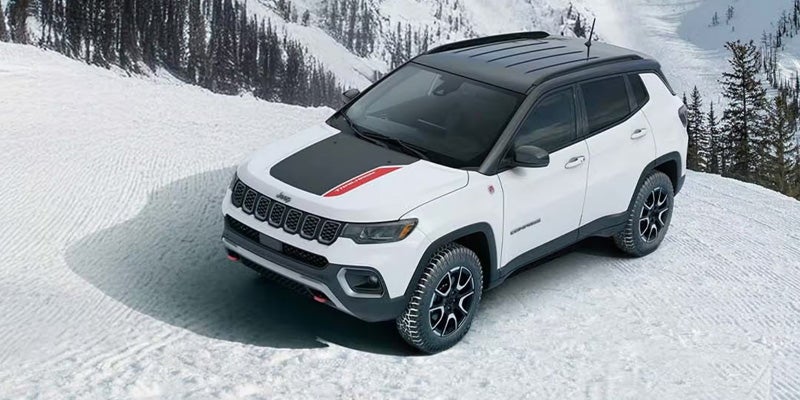
That depends on where you plan to go and how often. Casual gravel roads and light trails are well within reach of models like the 2026 Jeep Grand Cherokee or 2026 Jeep Compass. If you're planning technical rock crawling or serious backcountry driving, a trail rated Rubicon trim gives you the hardware to match those ambitions.
Drivers in Ocean Township, NJ, have access to everything from coastal dunes to wooded trails, so there's no shortage of ways to put a capable Jeep to the test.
Ready to Find Your Jeep Off-Road Match?
Stop by and talk through your off-road goals with someone who knows the lineup. The right combination of trim, features, and specs can make all the difference once you leave the pavement behind.
Visit The Jeep Store at thejeepstore.com to explore current inventory and find the build that fits your adventure.