



Blog / FAQs

Jeep Oil Filter FAQ: Common Questions About Oil Filter Replacement and Maintenance

Jeep Oil Filter FAQ: Common Questions About Oil Filter Replacement and Maintenance

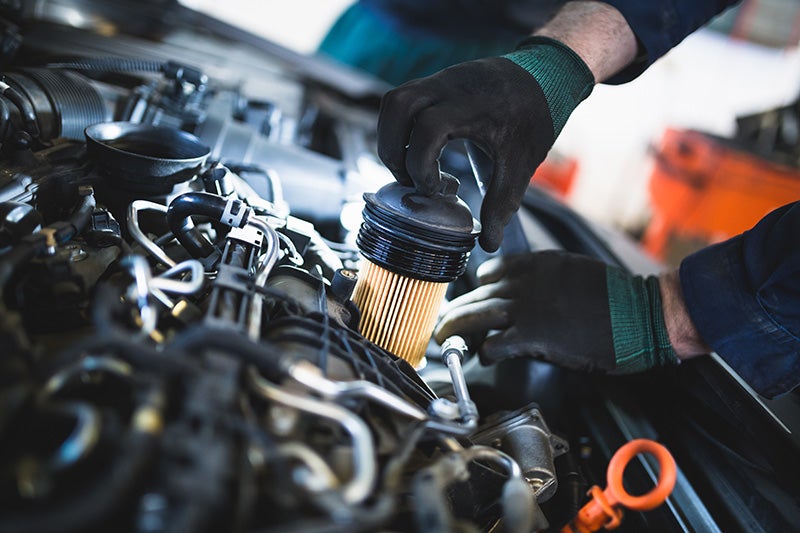
Your Jeep’s engine relies on clean oil to help protect internal components and support smooth operation. While engine oil provides essential lubrication, the oil filter plays an equally important role by removing contaminants that can build up over time. A properly functioning oil filter helps keep unwanted particles from circulating through the engine’s lubrication system.

As engine oil moves through the vehicle, it can collect dirt, metal particles, and other debris. The oil filter is designed to capture these contaminants while allowing clean oil to continue flowing through the engine. Over time, the filter becomes less effective and requires replacement as part of routine vehicle maintenance.

At The Jeep Store in Ocean Township, NJ, Jeep owners can receive professional maintenance services from technicians familiar with Jeep models and their specific service requirements. Understanding how oil filters work and recognizing when they need attention can help drivers maintain dependable performance from their Jeep Wrangler, Grand Cherokee, Gladiator, Compass, or other models.


What does an oil filter do in a Jeep?

Simply put, it removes contaminants from engine oil before the oil circulates through important engine components. As oil moves through the engine, it can collect particles and debris created by normal operation. The filter helps capture these materials to support cleaner oil circulation.

A properly functioning oil filter helps:

  • Remove dirt and debris from engine oil
  • Support cleaner engine lubrication
  • Protect internal engine components
  • Maintain proper oil flow
  • Help reduce unnecessary engine wear

Without an effective oil filter, contaminants may continue circulating through the engine and affect component performance over time.


How often should I replace my Jeep oil filter?

Oil filter replacement intervals depend on your Jeep model, engine type, driving habits, and maintenance schedule. In most cases, oil filters are replaced during routine oil service because new filters help ensure that fresh oil remains clean as it circulates through the engine.

Factors that may affect oil filter replacement needs include:

  • Frequent short trips
  • Heavy towing or hauling
  • Off-road driving conditions
  • Dusty environments
  • Extended driving conditions

Following the maintenance recommendations in your Jeep owner’s manual can help determine the appropriate service schedule.


Why should the oil filter be changed with an oil service?

Replacing the oil filter during an oil service helps ensure that new oil is not immediately exposed to contaminants trapped in an old filter. A used filter may contain accumulated debris and may not perform as effectively as a new one.

Changing both components helps support:

  • Cleaner engine oil
  • Proper oil circulation
  • Better filtration performance
  • Consistent engine lubrication

A complete oil service helps maintain the overall health of your Jeep’s engine.


What happens if I do not replace my Jeep’s oil filter?

A neglected oil filter can become clogged or less effective over time. When the filter cannot properly remove contaminants, debris may continue circulating through the engine.

Potential concerns from an old filter include:

  • Reduced filtration effectiveness
  • Increased contaminants in engine oil
  • Less efficient oil circulation
  • Additional engine wear over time

Regular maintenance helps ensure your Jeep receives clean oil and proper filtration.


What are the signs of a clogged or failing oil filter?

Oil filter problems are not always easy to identify because they often develop gradually. However, certain symptoms may indicate an issue with the lubrication system.

Possible warning signs include:

  • Reduced engine performance
  • Unusual engine noises
  • Oil pressure concerns
  • Dirty or contaminated oil
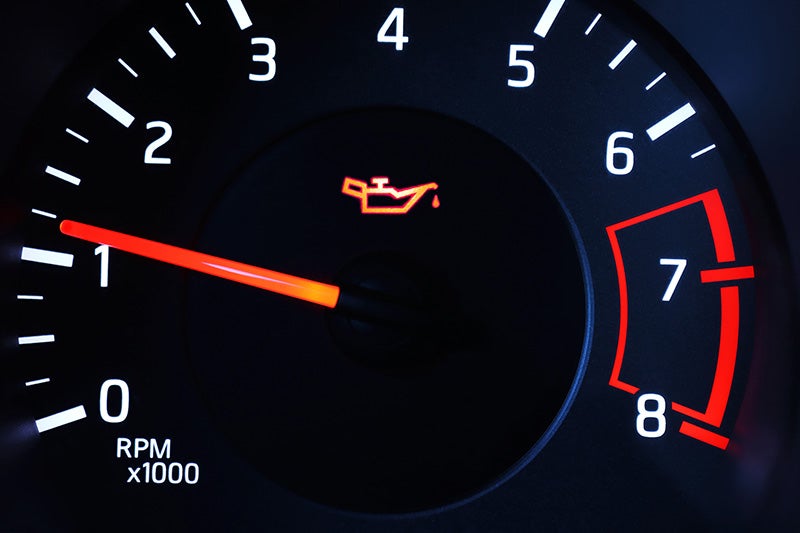
  • Oil warning lights
  • Poor lubrication symptoms

If your Jeep shows signs of an oil-related concern, a professional inspection can help identify whether the filter or another component is involved.


Are all Jeep oil filters the same?

No. Oil filters vary based on engine design, vehicle specifications, and manufacturer requirements. Different Jeep models may require specific filters designed to work with their particular engines.

Using the correct filter helps support:

  • Proper fitment
  • Correct oil flow
  • Effective filtration
  • Compatibility with engine systems

A Jeep service professional can help confirm the correct filter for your vehicle.


What is the difference between a standard and premium oil filter?

Oil filters may differ in their materials, construction, filtration capabilities, and durability. Some filters are designed for specific driving conditions or longer service intervals.

Differences may include:

  • Filter material quality
  • Debris capture ability
  • Construction durability
  • Performance under certain conditions

Choosing a filter that meets Jeep’s specifications helps support proper engine operation.


Can an oil filter affect engine performance?

Yes. Since the oil filter plays a role in maintaining clean oil circulation, its condition can influence how effectively the lubrication system operates. A properly functioning filter helps ensure that engine oil can continue protecting important components.

A quality oil filter supports:

  • Consistent lubrication
  • Reduced contamination
  • Smooth engine operation
  • Long-term engine care

Keeping up with filter replacement is a simple but important part of Jeep maintenance.


Why Choose The Jeep Store for Oil Service?

Proper oil filter maintenance requires the correct parts, procedures, and service knowledge for your specific Jeep model. The Jeep Store in Ocean Township, NJ, provides maintenance support designed around Jeep vehicles and their engineering requirements.

The service team can help with routine maintenance, oil filter replacement, and inspections to keep your Jeep performing as expected.

Benefits of professional Jeep service include:

  • Technicians familiar with Jeep models
  • Access to manufacturer-recommended maintenance procedures
  • Proper oil filter selection
  • Accurate inspection of related engine systems
  • Service recommendations based on your vehicle’s needs

Schedule Jeep Oil Service at The Jeep Store in Ocean Township, NJ

A clean oil filter helps support proper engine lubrication and reliable Jeep performance. Replacing the oil filter at the recommended intervals is an important part of protecting your vehicle’s engine and maintaining long-term dependability.

Whether you drive a Jeep Wrangler, Grand Cherokee, Gladiator, Compass, or another Jeep model, The Jeep Store in Ocean Township, NJ, can help with professional maintenance and oil service. Schedule your next service appointment to keep your Jeep ready for the road ahead.

Posted in:

Related Posts

Jeep Oil Pressure FAQ: Common Questions About Oil Pressure Problems

Jeep Oil Pressure FAQ: Common Questions About Oil Pressure Problems

Engine oil is essential for keeping your Jeep’s internal components operating smoothly. While maintaining proper oil levels and using the correct oil type are important, oil pressure also plays a critical role in engine performance. Oil pressure allows the lubrication system to circulate oil throughout the engine, helping protect moving parts from excessive friction and wear. When oil pressure becomes too low, oil may not reach important engine components as effectively as it should. This can lead to increased stress on the engine and may require professional attention. Recognizing the signs of an issue can help Jeep owners address concerns before they become more serious. At The Jeep Store in Ocean Township, NJ, drivers can receive professional diagnostic and maintenance services from a team familiar with Jeep vehicles. Whether you drive a Jeep Wrangler, Grand Cherokee, Gladiator, Compass, Cherokee, or another model, proper oil maintenance supports dependable performance on and off the road. Frequently Asked Questions About Jeep Oil Pressure What is oil pressure and why is it important? Oil pressure refers to the force that moves engine oil through the lubrication system. As your Jeep’s engine operates, the oil pump circulates oil through passages to reach important internal components that require lubrication. more Regular maintenance helps: Deliver oil to engine components Reduce friction between moving parts Support engine temperature control Protect internal engine surfaces Maintain smooth engine operation Without sufficient oil pressure, engine components may not receive the lubrication needed for proper function. What does the Jeep oil pressure warning light mean? The oil pressure warning light indicates that the vehicle has detected a possible issue with the engine’s oil system. This warning should be taken seriously because low pressure may affect engine protection. When the oil pressure warning light appears, drivers should: Safely move the vehicle off the road when possible Turn off the engine if the warning remains active Check for visible oil leaks Schedule a professional inspection The warning light does not always identify the exact cause. A technician can perform diagnostic testing to determine whether the issue involves oil levels, sensors, the oil pump, or another component. What causes low oil pressure in a Jeep? Several issues can contribute to low oil pressure. Some causes may be related to maintenance, while others involve components within the engine’s lubrication system. Common causes include: Low engine oil levels Oil leaks Incorrect oil viscosity A worn or failing oil pump Blocked oil passages A damaged pressure sensor Internal engine wear Because different issues can create similar symptoms, proper diagnosis is important to determine the correct repair. Can driving with low oil pressure damage my Jeep? Low oil pressure can create additional stress on engine components because oil may not circulate properly throughout the engine. Continuing to drive with an active oil warning may increase the risk of engine wear or damage. Potential concerns include: Increased friction between engine components Reduced lubrication Unusual engine noises Possible internal engine damage If your Jeep displays an oil pressure warning, having it inspected promptly can help identify the cause and protect your vehicle. What are the signs of an oil pressure problem in a Jeep? Concerns may appear through warning lights, changes in engine operation, or unusual sounds. Paying attention to these signs can help Jeep owners seek service sooner. Common symptoms include: Oil warning light Engine ticking or knocking noises Reduced engine performance Unusual engine sounds during acceleration Oil leaks underneath the vehicle Burning oil smells Increased engine temperature If you notice these signs, professional inspection can help determine whether the issue is related to oil pressure or another engine system. How is a Jeep oil pressure issue diagnosed? Diagnosing oil pressure problems requires a detailed inspection of the vehicle’s lubrication system. Technicians evaluate multiple components to identify the source of the concern. A Jeep oil pressure inspection may include: Checking engine oil level and condition Inspecting for possible oil leaks Testing oil pressure readings Evaluating the oil sensor Inspecting the oil pump operation Reviewing vehicle diagnostic information Accurate diagnosis helps ensure the correct service recommendation is provided for your Jeep. Can a faulty sensor cause a warning light? Yes. The oil pressure sensor monitors the vehicle’s oil pressure levels and sends information to the vehicle’s computer system. If the sensor is damaged or malfunctioning, it may provide inaccurate readings or trigger a warning light. A faulty sensor may cause: Intermittent oil pressure warnings Incorrect pressure readings Dashboard alerts without an actual pressure problem A professional inspection can determine whether the sensor or another component is causing the warning. How can I help maintain proper oil pressure in my Jeep? Regular maintenance helps support the health of your Jeep’s lubrication system. Following recommended service intervals and addressing warning signs early can help maintain proper engine operation. Helpful maintenance practices include: Checking oil levels regularly Following the recommended maintenance schedule Using the correct oil type for your Jeep model Addressing leaks promptly Scheduling inspections when warning lights appear Proper care helps support your Jeep’s performance whether you use it for daily driving, highway trips, or off-road adventures. Why Choose The Jeep Store for Oil Service? Jeep vehicles are engineered for versatility, capability, and durability. Maintaining proper engine operation requires accurate diagnostics and service procedures designed for Jeep models. At The Jeep Store in Ocean Township, NJ, experienced technicians understand Jeep systems and can help identify oil pressure concerns. Professional service allows drivers to receive accurate inspections and maintenance support tailored to their vehicle. Benefits of choosing a Jeep service center include: Technicians familiar with Jeep vehicles Access to Jeep-specific diagnostic information Proper inspection procedures Assistance identifying related engine concerns Service recommendations based on vehicle condition Schedule Jeep Oil Service at The Jeep Store in Ocean Township, NJ Maintaining proper oil pressure is an important part of protecting your Jeep’s engine and supporting reliable performance. If your Jeep displays an oil pressure warning light, makes unusual engine noises, or shows signs of a lubrication issue, professional inspection can help identify the cause. The Jeep Store in Ocean Township, NJ provides expert service support for Jeep drivers throughout the area. Schedule an inspection to help keep your Jeep operating properly and ready for your next adventure.

What Is the Uconnect App and Why Should Every Jeep Owner Use It? 

What Is the Uconnect App and Why Should Every Jeep Owner Use It?

The Uconnect app is one of the most practical tools a Jeep owner can have on a smartphone. Sea View Jeep in Ocean Township, NJ, offers this technology to help drivers manage their vehicles. If you are parked across a lot or sitting at home, Uconnect puts control in your hand. This app is a simple way to get more utility out of your vehicle. What the Uconnect App Actually Does Uconnect is a connected vehicle app that lets you monitor and control functions of your Jeep remotely. Once your vehicle is enrolled, you can lock or unlock your doors, start your engine, check vehicle health, and track your location, all from your phone. It works with many models and is available for iOS and Android devices. more The app also gives you access to real-time vehicle diagnostics. You can check tire pressure, fuel level, oil life, and odometer readings. If a system needs attention, the app sends an alert to your device. Remote Start and Climate Control One of the features within Uconnect is remote start. With a few taps on your phone, you can start your Jeep to regulate the temperature. This is useful during winter or summer months to ensure the cabin is comfortable before you enter. On compatible models, you can set the cabin temperature ahead of time. This convenience is available on various trim levels, including the Latitude, Limited, and Trailhawk. Jeep Voice Commands and Hands-Free Control Jeep vehicles with the Uconnect system offer built-in voice commands. Using natural speech, you can say phrases like Call home, Navigate to the nearest gas station, or Set the temperature to 70 degrees. These commands work through the touchscreen and help you stay focused on the road. The system supports Apple CarPlay© and Android Auto©. The app and the in-vehicle system work together. This provides a consistent experience if you are inside your Jeep or away from it. Vehicle Health Reports and Maintenance Alerts The Uconnect app provides vehicle health reports that summarize key systems. It flags issues that require attention from a technician. You can set up alerts for scheduled maintenance, low fuel, and battery status. This feature tracks service intervals for you. The app keeps a record that you can reference at any time. It is a standard tool for maintaining vehicle longevity. How to Get Uconnect Getting started is a simple process. You must create a Uconnect account, connect your vehicle using the 17-digit VIN, and download the app. You can find the app on the official download page for your specific device. The available features depend on the year, model, and trim of your vehicle. Some features require a paid subscription after the initial trial period ends. If you are a Jeep owner near Ocean Township, NJ, visit Sea View Jeep to see how Uconnect works in person. Our staff can help you set up the app on your new vehicle today.

Is Your 2026 Jeep Covered? Understanding FlexCare vs. Jeep Wave 

Is Your 2026 Jeep Covered? Understanding FlexCare vs. Jeep Wave

If you have recently purchased or are considering a new 2026 Jeep at The Jeep Store in Ocean Township, NJ, you may have questions about the ownership protection that comes with your vehicle. The FlexCare vehicle protection program and Jeep Wave are separate options, and knowing the difference helps with long-term planning. You should contact the dealership to discuss which plan fits your 2026 model needs. What Is the FlexCare Vehicle Protection Program? The FlexCare vehicle protection program is an ownership support program. It is the only vehicle protection program backed directly by Stellantis. This distinction means the coverage has the support of the manufacturer that built the vehicle. Owners work with the source instead of a third-party administrator, and this provides a direct line for service. The program covers many ownership needs and provides manufacturer-level backing for 2026 models. more What Is Jeep Wave? Jeep Wave is an owner loyalty and support program for eligible Jeep purchasers. It has historically included 24/7 roadside assistance, tire and wheel protection, and dealer trip protection. This program was a common choice for Jeep protection, but it is not backed by Stellantis in the same direct way as FlexCare. This affects the source of the coverage and how claims are processed. Why 2026 Jeep Owners Should Pay Close Attention The 2026 model year does not qualify for Jeep Wave. If you purchase a 2026 Wrangler, Grand Cherokee, or Gladiator, Jeep Wave is not an option. For drivers in Ocean Township, NJ, who purchase these models, the FlexCare vehicle protection program is the available path for manufacturer-backed support. The Bottom Line on FlexCare vs. Jeep Wave The FlexCare vehicle protection program is the manufacturer-backed option from Stellantis. Since 2026 Jeep models do not qualify for Jeep Wave, FlexCare is the primary choice for new buyers. Jeep owners in Ocean Township, NJ, can visit The Jeep Store to ensure their vehicle has the correct protection from the start. This decision ensures that the vehicle remains covered by manufacturer-supported programs. The team at The Jeep Store can provide details on FlexCare for your specific vehicle.