




Blog / Sea View Jeep Service

Blog

All Sea View Jeep Service New Jeep Features Local area Ocean Township Jeep Dealer Sea View Jeep Vehicles The Jeep Store Vehicles Around Ocean Township Local Ocean Township Activities Asbury Park New Vehicle Features 2026 Ocean Township Fun 2020 Jeep Gladiator FAQs Jeep Wrangler Ocean Township Chrysler Dealer Ocean Township Food Oil 2020 Jeep Cherokee Features 2026 Jeep Compass Dodge RAM 1500 Driving Hazards Fall Events Jeep Compass Jeep History New Jeep Cherokee New Jeep Gladiator New Jeep Wrangler Seasonal 2026 Dodge Durango 2026 Jeep Grand Cherokee 2026 Jeep Grand Wagoneer 2026 Jeep Wrangler 2027 Asbury Park Food Battery Best pizza in Ocean Township Dodge Durango Family Activities Inspection Tips Jeep Grand Wagoneer Jeep Renegade New Jeep Compass Ocean Township Used Cars RAM 1500 Technology Tires and Wheels
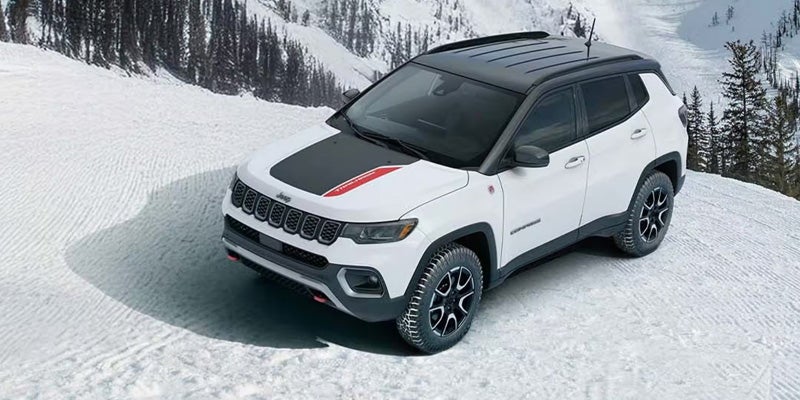
2026 Jeep Compass - Why Winter Maintenance is Important for Your Jeep 

Why Winter Maintenance is Important for Your Jeep

Winter is tough on vehicles, like your Jeep. If you're driving on icy back roads or trying to get home through a snowstorm, staying on top of winter maintenance is important to keep your car running well when the weather gets cold. For drivers in Ocean Township, NJ, where cold temperatures and coastal weather create a challenging combination, being prepared before the season hits can save you time, money, and frustration. The Cold Bothers Vehicles Cold weather puts extra stress on nearly every system in your vehicle. Fluids thicken, batteries get weaker, and tires lose pressure as temperatures drop. Winter maintenance helps ensure that your Jeep performs reliably when conditions are at their worst. Skipping winter service isn't just inconvenient - it can leave you stranded or dealing with costly repairs down the road. Common Types of Winter Maintenance There are several key areas to address before and during the winter months. First, check your cooling system. Antifreeze - also called coolant - prevents the water in your radiator from freezing and keeps your engine running at a safe temperature. Having your antifreeze levels checked and ensuring the mixture is correct for cold climates is a simple but critical step. Battery service is another priority. Cold temperatures reduce battery capacity, making it harder for your engine to start. A technician can test your battery's charge and replace it if needed before it fails you on a freezing morning. Tire condition and pressure are equally important. Winter maintenance should always include a check of tread depth and inflation levels, since cold air causes tire pressure to drop. If you drive in heavy snow regularly, you should think about getting winter tires. Oil viscosity matters too. Some oil blends thicken in cold weather, reducing their ability to lubricate engine components. Your service advisor can recommend the right oil weight for winter driving. Finally, don't overlook your brakes, wiper blades, and four-wheel drive system. All of these components work harder during winter months and should be inspected as part of a complete seasonal service. What Happens If You Skip Winter Maintenance Neglecting winter maintenance can lead to a range of problems, some minor and some serious. A failed battery can leave you stuck on a cold morning. Low or degraded antifreeze can cause your engine to overheat or freeze - both of which can result in significant engine damage. Worn wiper blades reduce visibility in sleet and snow, which is a real safety concern. Tires with low pressure or worn tread increase your stopping distance on slick surfaces. Over time, skipping seasonal service can also shorten the life of your vehicle overall. The stress that cold weather places on mechanical systems compounds quickly when maintenance is deferred. Addressing small issues before winter is always less expensive than repairing the damage they cause. Prepare Your Jeep for the Season Your Jeep is built for capability and adventure, but even the toughest vehicles need proper care. Winter maintenance is an investment in your safety and the long-term performance of your vehicle. Drivers throughout Ocean Township, NJ, can trust The Jeep Store to help get their vehicle ready for whatever the season brings. Schedule your winter service today and head into the colder months with confidence.
Tires and Wheels FAQ: Everything Jeep Drivers Need to Know 

Tires and Wheels FAQ: Everything Jeep Drivers Need to Know

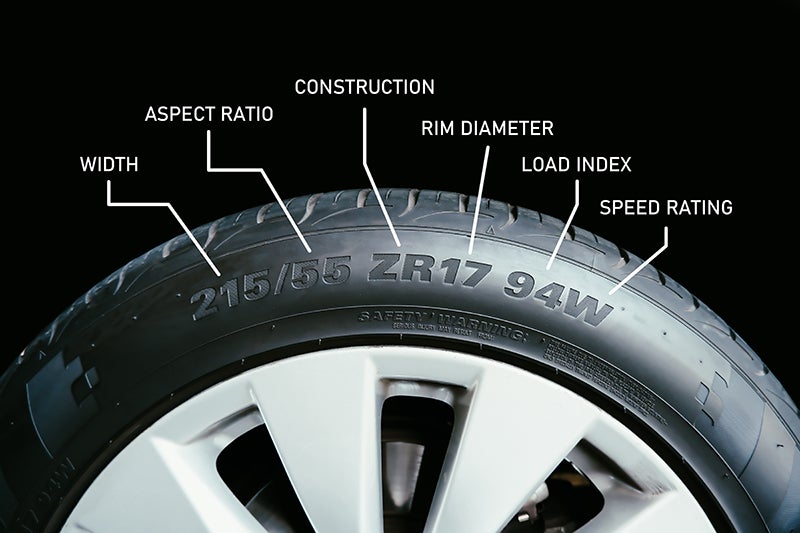
Your tires and wheels are more complex than they might appear at first glance. Each assembly is made up of several individual components that work together to keep your Jeep moving safely and smoothly. This FAQ breaks down every major component, explains how each part works, and covers what can go wrong - along with the maintenance needed to keep everything in top shape. Understanding these parts can help you spot problems early and stay ahead of costly repairs in Ocean Township, NJ. The Wheel Hub The hub is the central component that connects your wheel to the vehicle's axle. It houses the wheel bearings, which allow the wheel to spin freely with minimal friction. When a hub bearing begins to fail, you may notice a grinding or humming noise while driving. Left unaddressed, a bad hub can affect steering stability and even lead to wheel separation in extreme cases. Lug Nuts Lug nuts are the threaded fasteners that secure the wheel to the hub. They must be torqued to the manufacturer's specification - under-tightening can allow the wheel to wobble, while over-tightening can strip threads or warp brake rotors. It is a good habit to re-torque lug nuts after any wheel removal, typically after the first 50 to 100 miles of driving. Spokes and Wheel Structure The spokes connect the central hub area to the outer rim of the wheel. On steel wheels, this area is a solid disc with cutouts. On alloy wheels, the spokes are more defined and contribute to both strength and weight reduction. Spokes can crack under heavy impact, so inspect them regularly if you do off-road driving. The Rim and Bead Seat The rim is the outer edge of the wheel that the tire mounts onto. The bead seat is the specific area of the rim where the tire bead - the stiff inner edge of the tire - presses and seals. A proper seal here is what allows the tire to hold air pressure. Corrosion, bends, or damage to the bead seat area can cause slow leaks that are difficult to trace. The Tire Bead The bead is the reinforced inner edge of the tire that grips the rim tightly. It is made from high-tensile steel wire coated in rubber. When a tire is mounted, the bead is seated against the rim using air pressure. A bead that is not fully seated can cause dangerous blowouts. The Valve Stem The valve stem is a small rubber or metal fitting on the wheel that allows you to add or release air. It also holds the valve core, which acts as a one-way seal. Valve stems can dry out and crack, especially on older vehicles. A leaking valve stem is one of the most common causes of a slow tire leak. Replace them whenever you mount new tires. The Tire Itself Tires and wheels work as a system, but the tire handles all the direct contact with the road. Tires are built in layers, including the inner liner, body plies, steel belts, and the tread. Each layer contributes to ride quality, durability, and handling. Tread depth is the most visible indicator of tire health - when tread wears below 2/32 of an inch, you need to replace the tire. Common Problems With Tires and Wheels Uneven tread wear usually points to alignment or inflation issues. Vibrations at highway speed often indicate wheel imbalance or a bent rim. Persistent slow leaks may trace back to the valve stem, bead seal, or even a small puncture. Off-road drivers should also watch for sidewall cuts from sharp rocks. Maintenance Tips for Long-Lasting Tires and Wheels Rotate your tires every 5,000 to 7,500 miles to promote even wear. Check tire pressure at least once a month - pressure should be measured when the tires are cold. Have wheels balanced and aligned after any significant impact or annually as a rule. Clean your wheels regularly to prevent brake dust and road salt from corroding the finish and bead seat area. Visit The Jeep Store for Tires and Wheels If you have questions about your setup or need hands-on help with your tires and wheels, the team at The Jeep Store is ready to assist. Schedule an appointment online to explore your options and get the expert guidance your Jeep deserves.

Jeep Oil Filter FAQ: Common Questions About Oil Filter Replacement and Maintenance

Jeep Oil Filter FAQ: Common Questions About Oil Filter Replacement and Maintenance

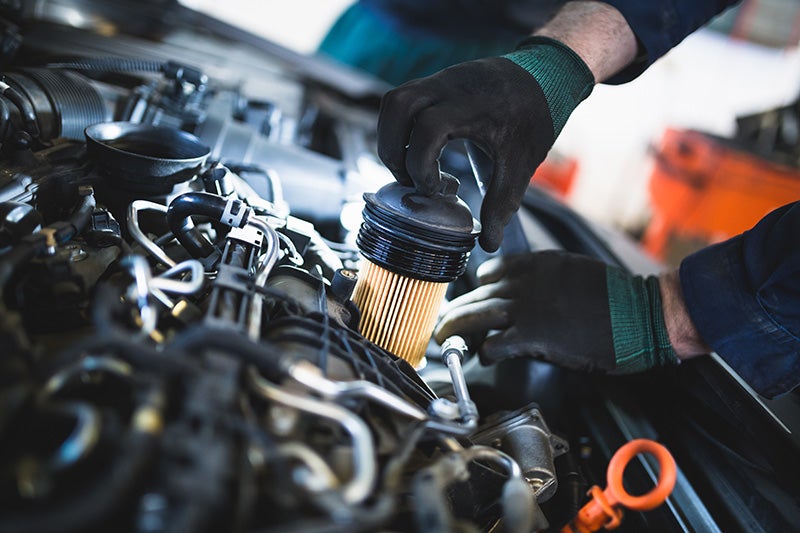
Your Jeep’s engine relies on clean oil to help protect internal components and support smooth operation. While engine oil provides essential lubrication, the oil filter plays an equally important role by removing contaminants that can build up over time. A properly functioning oil filter helps keep unwanted particles from circulating through the engine’s lubrication system. As engine oil moves through the vehicle, it can collect dirt, metal particles, and other debris. The oil filter is designed to capture these contaminants while allowing clean oil to continue flowing through the engine. Over time, the filter becomes less effective and requires replacement as part of routine vehicle maintenance. At The Jeep Store in Ocean Township, NJ, Jeep owners can receive professional maintenance services from technicians familiar with Jeep models and their specific service requirements. Understanding how oil filters work and recognizing when they need attention can help drivers maintain dependable performance from their Jeep Wrangler, Grand Cherokee, Gladiator, Compass, or other models. What does an oil filter do in a Jeep? Simply put, it removes contaminants from engine oil before the oil circulates through important engine components. As oil moves through the engine, it can collect particles and debris created by normal operation. The filter helps capture these materials to support cleaner oil circulation. A properly functioning oil filter helps: Remove dirt and debris from engine oil Support cleaner engine lubrication Protect internal engine components Maintain proper oil flow Help reduce unnecessary engine wear Without an effective oil filter, contaminants may continue circulating through the engine and affect component performance over time. How often should I replace my Jeep oil filter? Oil filter replacement intervals depend on your Jeep model, engine type, driving habits, and maintenance schedule. In most cases, oil filters are replaced during routine oil service because new filters help ensure that fresh oil remains clean as it circulates through the engine. Factors that may affect oil filter replacement needs include: Frequent short trips Heavy towing or hauling Off-road driving conditions Dusty environments Extended driving conditions Following the maintenance recommendations in your Jeep owner’s manual can help determine the appropriate service schedule. Why should the oil filter be changed with an oil service? Replacing the oil filter during an oil service helps ensure that new oil is not immediately exposed to contaminants trapped in an old filter. A used filter may contain accumulated debris and may not perform as effectively as a new one. Changing both components helps support: Cleaner engine oil Proper oil circulation Better filtration performance Consistent engine lubrication A complete oil service helps maintain the overall health of your Jeep’s engine. What happens if I do not replace my Jeep’s oil filter? A neglected oil filter can become clogged or less effective over time. When the filter cannot properly remove contaminants, debris may continue circulating through the engine. Potential concerns from an old filter include: Reduced filtration effectiveness Increased contaminants in engine oil Less efficient oil circulation Additional engine wear over time Regular maintenance helps ensure your Jeep receives clean oil and proper filtration. What are the signs of a clogged or failing oil filter? Oil filter problems are not always easy to identify because they often develop gradually. However, certain symptoms may indicate an issue with the lubrication system. Possible warning signs include: Reduced engine performance Unusual engine noises Oil pressure concerns Dirty or contaminated oil Oil warning lights Poor lubrication symptoms If your Jeep shows signs of an oil-related concern, a professional inspection can help identify whether the filter or another component is involved. Are all Jeep oil filters the same? No. Oil filters vary based on engine design, vehicle specifications, and manufacturer requirements. Different Jeep models may require specific filters designed to work with their particular engines. Using the correct filter helps support: Proper fitment Correct oil flow Effective filtration Compatibility with engine systems A Jeep service professional can help confirm the correct filter for your vehicle. What is the difference between a standard and premium oil filter? Oil filters may differ in their materials, construction, filtration capabilities, and durability. Some filters are designed for specific driving conditions or longer service intervals. Differences may include: Filter material quality Debris capture ability Construction durability Performance under certain conditions Choosing a filter that meets Jeep’s specifications helps support proper engine operation. Can an oil filter affect engine performance? Yes. Since the oil filter plays a role in maintaining clean oil circulation, its condition can influence how effectively the lubrication system operates. A properly functioning filter helps ensure that engine oil can continue protecting important components. A quality oil filter supports: Consistent lubrication Reduced contamination Smooth engine operation Long-term engine care Keeping up with filter replacement is a simple but important part of Jeep maintenance. Why Choose The Jeep Store for Oil Service? Proper oil filter maintenance requires the correct parts, procedures, and service knowledge for your specific Jeep model. The Jeep Store in Ocean Township, NJ, provides maintenance support designed around Jeep vehicles and their engineering requirements. The service team can help with routine maintenance, oil filter replacement, and inspections to keep your Jeep performing as expected. Benefits of professional Jeep service include: Technicians familiar with Jeep models Access to manufacturer-recommended maintenance procedures Proper oil filter selection Accurate inspection of related engine systems Service recommendations based on your vehicle’s needs Schedule Jeep Oil Service at The Jeep Store in Ocean Township, NJ A clean oil filter helps support proper engine lubrication and reliable Jeep performance. Replacing the oil filter at the recommended intervals is an important part of protecting your vehicle’s engine and maintaining long-term dependability. Whether you drive a Jeep Wrangler, Grand Cherokee, Gladiator, Compass, or another Jeep model, The Jeep Store in Ocean Township, NJ, can help with professional maintenance and oil service. Schedule your next service appointment to keep your Jeep ready for the road ahead.

Jeep Oil Pressure FAQ: Common Questions About Oil Pressure Problems

Jeep Oil Pressure FAQ: Common Questions About Oil Pressure Problems

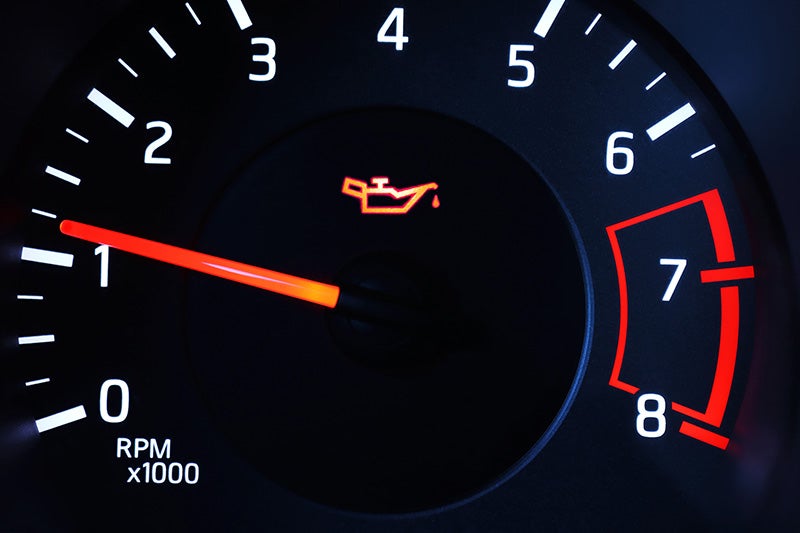
Engine oil is essential for keeping your Jeep’s internal components operating smoothly. While maintaining proper oil levels and using the correct oil type are important, oil pressure also plays a critical role in engine performance. Oil pressure allows the lubrication system to circulate oil throughout the engine, helping protect moving parts from excessive friction and wear. When oil pressure becomes too low, oil may not reach important engine components as effectively as it should. This can lead to increased stress on the engine and may require professional attention. Recognizing the signs of an issue can help Jeep owners address concerns before they become more serious. At The Jeep Store in Ocean Township, NJ, drivers can receive professional diagnostic and maintenance services from a team familiar with Jeep vehicles. Whether you drive a Jeep Wrangler, Grand Cherokee, Gladiator, Compass, Cherokee, or another model, proper oil maintenance supports dependable performance on and off the road. Frequently Asked Questions About Jeep Oil Pressure What is oil pressure and why is it important? Oil pressure refers to the force that moves engine oil through the lubrication system. As your Jeep’s engine operates, the oil pump circulates oil through passages to reach important internal components that require lubrication. Regular maintenance helps: Deliver oil to engine components Reduce friction between moving parts Support engine temperature control Protect internal engine surfaces Maintain smooth engine operation Without sufficient oil pressure, engine components may not receive the lubrication needed for proper function. What does the Jeep oil pressure warning light mean? The oil pressure warning light indicates that the vehicle has detected a possible issue with the engine’s oil system. This warning should be taken seriously because low pressure may affect engine protection. When the oil pressure warning light appears, drivers should: Safely move the vehicle off the road when possible Turn off the engine if the warning remains active Check for visible oil leaks Schedule a professional inspection The warning light does not always identify the exact cause. A technician can perform diagnostic testing to determine whether the issue involves oil levels, sensors, the oil pump, or another component. What causes low oil pressure in a Jeep? Several issues can contribute to low oil pressure. Some causes may be related to maintenance, while others involve components within the engine’s lubrication system. Common causes include: Low engine oil levels Oil leaks Incorrect oil viscosity A worn or failing oil pump Blocked oil passages A damaged pressure sensor Internal engine wear Because different issues can create similar symptoms, proper diagnosis is important to determine the correct repair. Can driving with low oil pressure damage my Jeep? Low oil pressure can create additional stress on engine components because oil may not circulate properly throughout the engine. Continuing to drive with an active oil warning may increase the risk of engine wear or damage. Potential concerns include: Increased friction between engine components Reduced lubrication Unusual engine noises Possible internal engine damage If your Jeep displays an oil pressure warning, having it inspected promptly can help identify the cause and protect your vehicle. What are the signs of an oil pressure problem in a Jeep? Concerns may appear through warning lights, changes in engine operation, or unusual sounds. Paying attention to these signs can help Jeep owners seek service sooner. Common symptoms include: Oil warning light Engine ticking or knocking noises Reduced engine performance Unusual engine sounds during acceleration Oil leaks underneath the vehicle Burning oil smells Increased engine temperature If you notice these signs, professional inspection can help determine whether the issue is related to oil pressure or another engine system. How is a Jeep oil pressure issue diagnosed? Diagnosing oil pressure problems requires a detailed inspection of the vehicle’s lubrication system. Technicians evaluate multiple components to identify the source of the concern. A Jeep oil pressure inspection may include: Checking engine oil level and condition Inspecting for possible oil leaks Testing oil pressure readings Evaluating the oil sensor Inspecting the oil pump operation Reviewing vehicle diagnostic information Accurate diagnosis helps ensure the correct service recommendation is provided for your Jeep. Can a faulty sensor cause a warning light? Yes. The oil pressure sensor monitors the vehicle’s oil pressure levels and sends information to the vehicle’s computer system. If the sensor is damaged or malfunctioning, it may provide inaccurate readings or trigger a warning light. A faulty sensor may cause: Intermittent oil pressure warnings Incorrect pressure readings Dashboard alerts without an actual pressure problem A professional inspection can determine whether the sensor or another component is causing the warning. How can I help maintain proper oil pressure in my Jeep? Regular maintenance helps support the health of your Jeep’s lubrication system. Following recommended service intervals and addressing warning signs early can help maintain proper engine operation. Helpful maintenance practices include: Checking oil levels regularly Following the recommended maintenance schedule Using the correct oil type for your Jeep model Addressing leaks promptly Scheduling inspections when warning lights appear Proper care helps support your Jeep’s performance whether you use it for daily driving, highway trips, or off-road adventures. Why Choose The Jeep Store for Oil Service? Jeep vehicles are engineered for versatility, capability, and durability. Maintaining proper engine operation requires accurate diagnostics and service procedures designed for Jeep models. At The Jeep Store in Ocean Township, NJ, experienced technicians understand Jeep systems and can help identify oil pressure concerns. Professional service allows drivers to receive accurate inspections and maintenance support tailored to their vehicle. Benefits of choosing a Jeep service center include: Technicians familiar with Jeep vehicles Access to Jeep-specific diagnostic information Proper inspection procedures Assistance identifying related engine concerns Service recommendations based on vehicle condition Schedule Jeep Oil Service at The Jeep Store in Ocean Township, NJ Maintaining proper oil pressure is an important part of protecting your Jeep’s engine and supporting reliable performance. If your Jeep displays an oil pressure warning light, makes unusual engine noises, or shows signs of a lubrication issue, professional inspection can help identify the cause. The Jeep Store in Ocean Township, NJ provides expert service support for Jeep drivers throughout the area. Schedule an inspection to help keep your Jeep operating properly and ready for your next adventure.

Why Every Jeep Owner Needs to Stay on Top of Their Oil Change

Why Every Jeep Owner Needs to Stay on Top of Their Oil Change

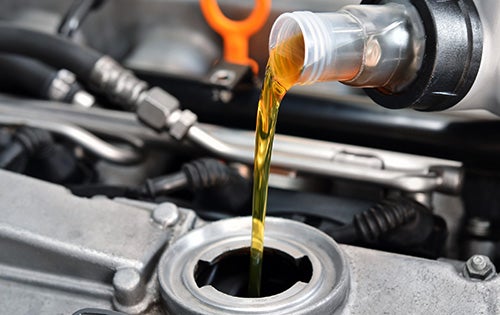
There are plenty of maintenance items that can be postponed for a little while without major consequences. An oil change isn't one of them. For Jeep owners, engine oil is the unsung hero behind every commute, road trip, towing job, and weekend adventure. If you're navigating city traffic in a Grand Cherokee, loading up a Gladiator for a project, or heading off pavement in a Wrangler, clean oil is what allows the engine to perform the way Jeep engineers intended. It's a relatively small service with an outsized impact on your vehicle's long-term health. The Job Engine Oil Performs Every Day Modern engines are incredibly sophisticated pieces of machinery. Inside your Jeep's engine, hundreds of components are moving at high speeds and operating under significant heat and pressure. Engine oil serves as the protective barrier between those components. It lubricates moving parts, helping reduce friction and wear. It also carries heat away from critical engine components and helps prevent harmful deposits from building up inside the engine. Just as importantly, oil helps suspend contaminants until they can be captured by the oil filter and removed during service. Without clean oil circulating through the system, even the best-engineered engine begins working harder than it should. Why Scheduling an Oil Change Matters Over time, oil loses its ability to perform those tasks effectively. Heat, contaminants, and normal engine operation gradually break down the oil and the additives designed to protect internal components. As the oil ages, it becomes less effective at lubricating, cooling, and cleaning. That's where regular oil changes become essential. Replacing old oil with fresh oil restores the protection your engine depends on. It helps reduce wear, maintain performance, and support the long-term durability that Jeep owners expect from their vehicles. Simply put, routine oil changes are far less expensive than the repairs that can result from neglecting them. When Should You Change Your Oil? The answer depends on your specific Jeep model, the type of oil it uses, and how you drive. Many modern Jeep vehicles equipped with synthetic oil can go considerably longer between oil changes than older vehicles using conventional oil. However, drivers who frequently tow, venture off-road, make frequent short trips, or spend time in stop-and-go traffic may require more frequent service. Your owner's manual remains the best source for recommended service intervals. Many newer Jeep models also include maintenance monitoring systems that help determine when service is due based on actual driving conditions rather than mileage alone. What If the Oil Warning Light Comes On? Few dashboard warnings deserve more immediate attention than the oil warning light. If the light appears while driving, safely pull over and shut off the engine as soon as possible. Continuing to drive with low oil pressure can cause severe engine damage in a remarkably short amount of time. After allowing the vehicle to sit briefly, check the oil level. If it is low, adding the appropriate oil may help temporarily. Even so, the vehicle should be inspected promptly to identify the underlying cause. If the oil level appears normal and the warning light remains on, professional diagnosis is essential before driving further. Choosing the Right Oil for Your Jeep Not all engine oils are created equally. Conventional oil remains suitable for some applications, while synthetic blends offer a balance of performance and value. Full synthetic oil provides the highest level of protection, particularly in extreme temperatures and demanding driving conditions. Many newer Jeep models are specifically designed around synthetic oil, making it the preferred option for maintaining performance and longevity. Following the specifications outlined in your owner's manual helps ensure your engine receives the protection it was designed to have. Keep Your Jeep Ready for Whatever Comes Next Every Jeep is built with capability in mind, but capability starts with maintenance. Staying current on oil changes is one of the simplest ways to help your vehicle remain dependable for years to come. If you drive a Wrangler, Grand Cherokee, Gladiator, Compass, or Cherokee, the service team at The Jeep Store is here to help keep your vehicle operating at its best. Schedule your next oil change and give your Jeep the care it needs for the miles and adventures ahead.

Battery FAQ: What a Car Battery Is, How It Works, and When to Replace It 

Battery FAQ: What a Car Battery Is, How It Works, and When to Replace It

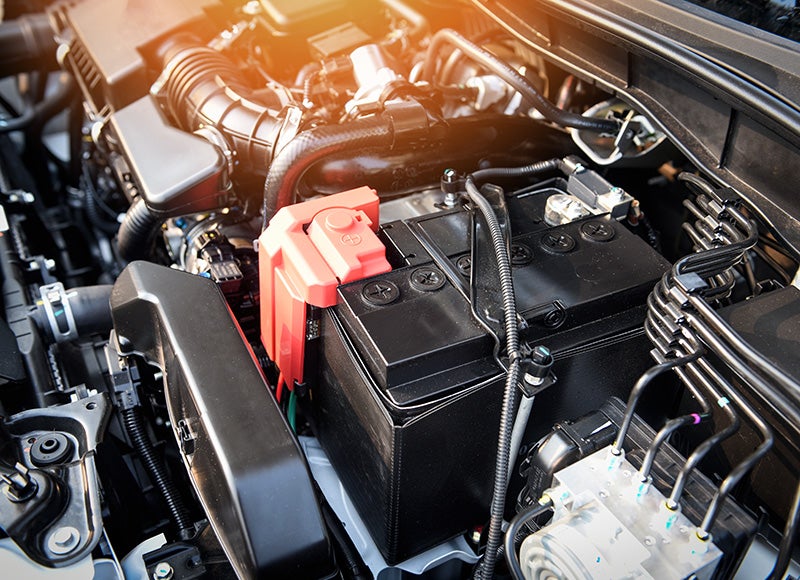
Most vehicle components get to announce their problems. Brakes squeal. Tires wobble. Suspension parts clunk. A battery, on the other hand, tends to remain perfectly silent right up until the moment it decides not to participate anymore. Usually this occurs when you're already late. Understanding how your battery works and recognizing the warning signs of failure can help prevent one of the least entertaining experiences in vehicle ownership: standing in a parking lot wondering why absolutely nothing happens when you turn the key. The Small Box Responsible for a Very Big Job A car battery is essentially a storage device for electrical energy. Inside that plastic case are lead plates and an electrolyte solution working together to create the electricity needed to power your vehicle. Most modern vehicles use a 12-volt battery, and while it may not look particularly impressive, it performs a surprisingly important role every day. Without it, your Jeep Wrangler, Grand Cherokee, or Gladiator becomes a very expensive driveway ornament. What Does the Battery Actually Do? Most people know the battery starts the engine, which is true. When you turn the key or press the start button, the battery delivers a substantial burst of electricity to the starter motor. That motor turns the engine, and the vehicle comes to life. But the battery's responsibilities do not end there. It also helps stabilize the vehicle's electrical system and supports the growing number of electronic features found in modern vehicles. Touchscreens, safety systems, memory settings, sensors, and security functions all depend on a healthy electrical supply. Even while parked, your vehicle continues drawing small amounts of power to maintain certain systems. In other words, the battery rarely gets a day off. How the Battery Works The science behind a battery is quite elegant. Chemical energy stored within the battery is converted into electrical energy when needed. Once the engine is running, the alternator takes over, powering the vehicle's systems and replenishing the battery's charge. This cycle repeats thousands of times throughout the battery's life. Eventually, however, those internal components begin to wear. Batteries are consumable items, not permanent fixtures. No matter how carefully they are maintained, they will eventually reach the end of their useful life. Signs Your Battery May Be Nearing Retirement Fortunately, batteries often provide a few hints before they fail completely. One of the most common symptoms is a slow engine crank. If the engine sounds less enthusiastic about starting than it once did, the battery may be struggling to provide sufficient power. Dim headlights, inconsistent electronic behavior, or a battery warning light on the dashboard can also indicate trouble. Then there is corrosion. The white, blue, or greenish buildup sometimes found around the terminals is more than an aesthetic concern. Corrosion can interfere with electrical connections and reduce overall system performance. A small amount can often be cleaned. Persistent or excessive corrosion may suggest that it is approaching replacement time. Climate Has More Influence Than You Might Think Drivers in Ocean Township, NJ experience both cold winters and warm summers, and neither is especially kind to batteries. Cold temperatures reduce a battery's ability to deliver power, which is why many failures seem to occur on the coldest morning of the year. Heat creates its own challenges by accelerating internal wear and shortening overall battery life. Most batteries last somewhere between three and five years, though environmental conditions and driving habits can influence that timeline considerably. If your battery is approaching that age range, testing it proactively is rarely a bad idea. A Simple Test Can Prevent a Major Inconvenience One of the advantages of battery maintenance is that it is relatively easy to evaluate. A professional battery test can reveal declining performance long before complete failure occurs. That allows owners to replace it on their own schedule rather than discovering the problem unexpectedly at the least convenient moment possible. Which, as batteries have demonstrated repeatedly, is their preferred timing. Keep Your Jeep Ready for Every Adventure Your battery may not be the most exciting component on your vehicle, but it is certainly one of the most important. Understanding how it works, watching for early warning signs, and scheduling routine inspections can help keep your Jeep dependable year-round. Drivers throughout Ocean Township, NJ can rely on The Jeep Store for battery testing, replacement, and charging system inspections. If your battery is showing signs of age or simply deserves a closer look, the service team is ready to help keep your next adventure from being interrupted before it even begins.

Mopar Oil Change

Check These 7 Things Before You Get Your Car Inspected

If you have to get your vehicle inspected, you're going to want to be sure it will pass. Here are seven things you can check before heading to the inspection station to improve your chances of passing. 1. Check Your Lights Check all your lights. This is a simple thing to do, and something you can take care of yourself in many cases. Have someone stand outside and watch while you toggle on and off your headlights, taillights, brake lights, and work the turn signals. Don't forget to check the high-beams either. If you have a light out, in many cases the fix is a simple one. You can pick up a bulb at any auto parts store or car dealership. Many auto parts stores offer to install these at no charge too. Putting them in is usually pretty simple, though, if you can't get help. Check your manual for instructions. 2. Get a Tune-Up and an Oil Change Emissions are also a part of your inspection and, if it's been a while since your last tune-up, now is a good time to get one. This will usually improve your vehicle's emissions and will certainly improve your vehicle's performance and fuel economy. 3. Insurance and Registration You cannot get an inspection sticker without proof of insurance. Make sure your insurance card is current and with you when you get your inspection. Make sure your registration is valid too. This may seem silly, but people often forget to renew their vehicle registration. Taking in an expired registration is an automatic failure. 4. Check Your Windshield Your windshield needs to be free of cracks and chips in order to pass inspection. Make sure you take a close look before bringing your car in. If there are any chips or cracks, contact your insurance company. Many companies have free replacement, and the repair can easily be done at your home or office. 5. Tires Make sure your tires are in good condition. This may be hard to tell for some people. Signs that your tires are old and worn include flat areas, usually around the edges, and you might also see the steel belts showing through these worn areas. Don't ignore your spare tire either, the inspector won't, and it would be a shame to fail an inspection on an item you may not ever need. 6. Seat Belts Another item people may not think of is the functionality of your car's seat belts. An inspector will make sure that they are all readily accessible and functioning properly before passing you. If you have a trouble seat belt that slips beneath the seat or one that doesn't clip properly, be sure to get it fixed beforehand. 7. Steering and Alignment The inspector will test your steering system to be certain it works properly. Many times the culprit to a failure here is worn out components in your front end, like ball joints and shock absorbers. Be sure you have your steering checked as part of your regular maintenance so you can avoid problems at inspection time. You don't want to fail an inspection. If you check these things before you go, you're more likely to pass. For help getting your vehicle ready to pass an inspection, check out the great Service Department at The Jeep Store.   Image via mopar.com

Contact Us

Fill out this form below and we'll contact you shortly
*Required Fields