




Blog / Oil

Why Every Jeep Owner Needs to Stay on Top of Their Oil Change

Why Every Jeep Owner Needs to Stay on Top of Their Oil Change

There are plenty of maintenance items that can be postponed for a little while without major consequences. An oil change isn't one of them. 

For Jeep owners, engine oil is the unsung hero behind every commute, road trip, towing job, and weekend adventure. If you're navigating city traffic in a Grand Cherokee, loading up a Gladiator for a project, or heading off pavement in a Wrangler, clean oil is what allows the engine to perform the way Jeep engineers intended. 

It's a relatively small service with an outsized impact on your vehicle's long-term health. 

The Job Engine Oil Performs Every Day 

Modern engines are incredibly sophisticated pieces of machinery. Inside your Jeep's engine, hundreds of components are moving at high speeds and operating under significant heat and pressure. 

Engine oil serves as the protective barrier between those components. It lubricates moving parts, helping reduce friction and wear. It also carries heat away from critical engine components and helps prevent harmful deposits from building up inside the engine. 

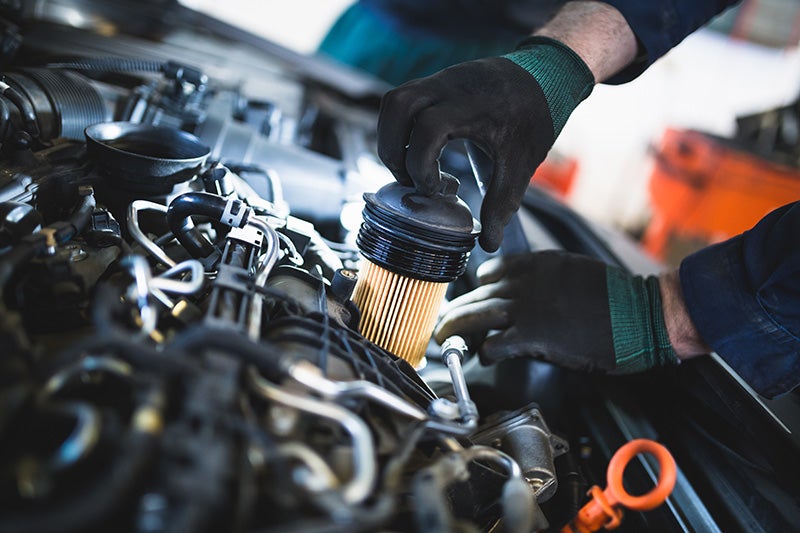
Just as importantly, oil helps suspend contaminants until they can be captured by the oil filter and removed during service. Without clean oil circulating through the system, even the best-engineered engine begins working harder than it should. 

Why Scheduling an Oil Change Matters

Over time, oil loses its ability to perform those tasks effectively. Heat, contaminants, and normal engine operation gradually break down the oil and the additives designed to protect internal components. As the oil ages, it becomes less effective at lubricating, cooling, and cleaning. 

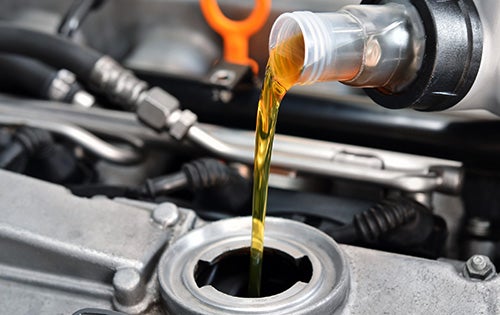
That's where regular oil changes become essential. Replacing old oil with fresh oil restores the protection your engine depends on. It helps reduce wear, maintain performance, and support the long-term durability that Jeep owners expect from their vehicles. Simply put, routine oil changes are far less expensive than the repairs that can result from neglecting them. 

When Should You Change Your Oil? 

The answer depends on your specific Jeep model, the type of oil it uses, and how you drive. Many modern Jeep vehicles equipped with synthetic oil can go considerably longer between oil changes than older vehicles using conventional oil. However, drivers who frequently tow, venture off-road, make frequent short trips, or spend time in stop-and-go traffic may require more frequent service. 

Your owner's manual remains the best source for recommended service intervals. Many newer Jeep models also include maintenance monitoring systems that help determine when service is due based on actual driving conditions rather than mileage alone. 

What If the Oil Warning Light Comes On? 

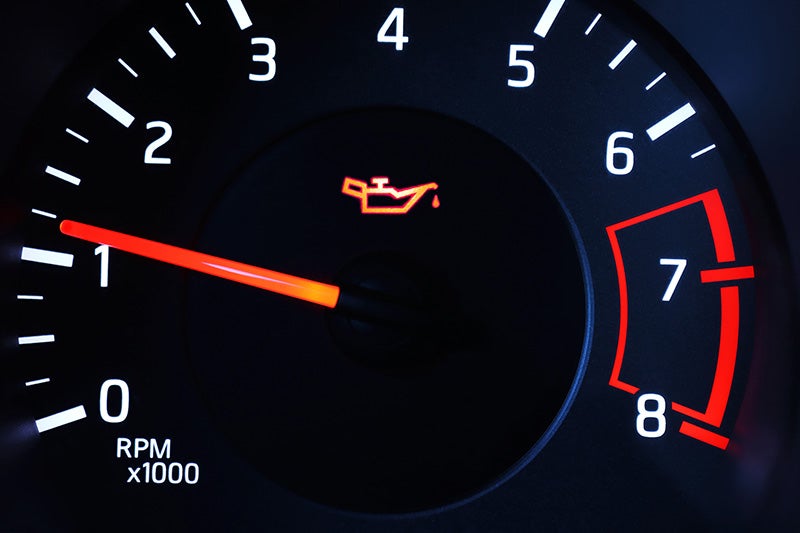
Few dashboard warnings deserve more immediate attention than the oil warning light. If the light appears while driving, safely pull over and shut off the engine as soon as possible. Continuing to drive with low oil pressure can cause severe engine damage in a remarkably short amount of time. 

After allowing the vehicle to sit briefly, check the oil level. If it is low, adding the appropriate oil may help temporarily. Even so, the vehicle should be inspected promptly to identify the underlying cause. If the oil level appears normal and the warning light remains on, professional diagnosis is essential before driving further. 

Choosing the Right Oil for Your Jeep 

Not all engine oils are created equally. Conventional oil remains suitable for some applications, while synthetic blends offer a balance of performance and value. Full synthetic oil provides the highest level of protection, particularly in extreme temperatures and demanding driving conditions. 

Many newer Jeep models are specifically designed around synthetic oil, making it the preferred option for maintaining performance and longevity. Following the specifications outlined in your owner's manual helps ensure your engine receives the protection it was designed to have. 

Keep Your Jeep Ready for Whatever Comes Next 

Every Jeep is built with capability in mind, but capability starts with maintenance. Staying current on oil changes is one of the simplest ways to help your vehicle remain dependable for years to come. 

If you drive a Wrangler, Grand Cherokee, Gladiator, Compass, or Cherokee, the service team at The Jeep Store is here to help keep your vehicle operating at its best. Schedule your next oil change and give your Jeep the care it needs for the miles and adventures ahead.
Posted in:

Related Posts

Jeep Oil Filter FAQ: Common Questions About Oil Filter Replacement and Maintenance

Jeep Oil Filter FAQ: Common Questions About Oil Filter Replacement and Maintenance

Your Jeep’s engine relies on clean oil to help protect internal components and support smooth operation. While engine oil provides essential lubrication, the oil filter plays an equally important role by removing contaminants that can build up over time. A properly functioning oil filter helps keep unwanted particles from circulating through the engine’s lubrication system. As engine oil moves through the vehicle, it can collect dirt, metal particles, and other debris. The oil filter is designed to capture these contaminants while allowing clean oil to continue flowing through the engine. Over time, the filter becomes less effective and requires replacement as part of routine vehicle maintenance. At The Jeep Store in Ocean Township, NJ, Jeep owners can receive professional maintenance services from technicians familiar with Jeep models and their specific service requirements. Understanding how oil filters work and recognizing when they need attention can help drivers maintain dependable performance from their Jeep Wrangler, Grand Cherokee, Gladiator, Compass, or other models. What does an oil filter do in a Jeep? Simply put, it removes contaminants from engine oil before the oil circulates through important engine components. As oil moves through the engine, it can collect particles and debris created by normal operation. The filter helps capture these materials to support cleaner oil circulation. more A properly functioning oil filter helps: Remove dirt and debris from engine oil Support cleaner engine lubrication Protect internal engine components Maintain proper oil flow Help reduce unnecessary engine wear Without an effective oil filter, contaminants may continue circulating through the engine and affect component performance over time. How often should I replace my Jeep oil filter? Oil filter replacement intervals depend on your Jeep model, engine type, driving habits, and maintenance schedule. In most cases, oil filters are replaced during routine oil service because new filters help ensure that fresh oil remains clean as it circulates through the engine. Factors that may affect oil filter replacement needs include: Frequent short trips Heavy towing or hauling Off-road driving conditions Dusty environments Extended driving conditions Following the maintenance recommendations in your Jeep owner’s manual can help determine the appropriate service schedule. Why should the oil filter be changed with an oil service? Replacing the oil filter during an oil service helps ensure that new oil is not immediately exposed to contaminants trapped in an old filter. A used filter may contain accumulated debris and may not perform as effectively as a new one. Changing both components helps support: Cleaner engine oil Proper oil circulation Better filtration performance Consistent engine lubrication A complete oil service helps maintain the overall health of your Jeep’s engine. What happens if I do not replace my Jeep’s oil filter? A neglected oil filter can become clogged or less effective over time. When the filter cannot properly remove contaminants, debris may continue circulating through the engine. Potential concerns from an old filter include: Reduced filtration effectiveness Increased contaminants in engine oil Less efficient oil circulation Additional engine wear over time Regular maintenance helps ensure your Jeep receives clean oil and proper filtration. What are the signs of a clogged or failing oil filter? Oil filter problems are not always easy to identify because they often develop gradually. However, certain symptoms may indicate an issue with the lubrication system. Possible warning signs include: Reduced engine performance Unusual engine noises Oil pressure concerns Dirty or contaminated oil Oil warning lights Poor lubrication symptoms If your Jeep shows signs of an oil-related concern, a professional inspection can help identify whether the filter or another component is involved. Are all Jeep oil filters the same? No. Oil filters vary based on engine design, vehicle specifications, and manufacturer requirements. Different Jeep models may require specific filters designed to work with their particular engines. Using the correct filter helps support: Proper fitment Correct oil flow Effective filtration Compatibility with engine systems A Jeep service professional can help confirm the correct filter for your vehicle. What is the difference between a standard and premium oil filter? Oil filters may differ in their materials, construction, filtration capabilities, and durability. Some filters are designed for specific driving conditions or longer service intervals. Differences may include: Filter material quality Debris capture ability Construction durability Performance under certain conditions Choosing a filter that meets Jeep’s specifications helps support proper engine operation. Can an oil filter affect engine performance? Yes. Since the oil filter plays a role in maintaining clean oil circulation, its condition can influence how effectively the lubrication system operates. A properly functioning filter helps ensure that engine oil can continue protecting important components. A quality oil filter supports: Consistent lubrication Reduced contamination Smooth engine operation Long-term engine care Keeping up with filter replacement is a simple but important part of Jeep maintenance. Why Choose The Jeep Store for Oil Service? Proper oil filter maintenance requires the correct parts, procedures, and service knowledge for your specific Jeep model. The Jeep Store in Ocean Township, NJ, provides maintenance support designed around Jeep vehicles and their engineering requirements. The service team can help with routine maintenance, oil filter replacement, and inspections to keep your Jeep performing as expected. Benefits of professional Jeep service include: Technicians familiar with Jeep models Access to manufacturer-recommended maintenance procedures Proper oil filter selection Accurate inspection of related engine systems Service recommendations based on your vehicle’s needs Schedule Jeep Oil Service at The Jeep Store in Ocean Township, NJ A clean oil filter helps support proper engine lubrication and reliable Jeep performance. Replacing the oil filter at the recommended intervals is an important part of protecting your vehicle’s engine and maintaining long-term dependability. Whether you drive a Jeep Wrangler, Grand Cherokee, Gladiator, Compass, or another Jeep model, The Jeep Store in Ocean Township, NJ, can help with professional maintenance and oil service. Schedule your next service appointment to keep your Jeep ready for the road ahead.

Jeep Oil Pressure FAQ: Common Questions About Oil Pressure Problems

Jeep Oil Pressure FAQ: Common Questions About Oil Pressure Problems

Engine oil is essential for keeping your Jeep’s internal components operating smoothly. While maintaining proper oil levels and using the correct oil type are important, oil pressure also plays a critical role in engine performance. Oil pressure allows the lubrication system to circulate oil throughout the engine, helping protect moving parts from excessive friction and wear. When oil pressure becomes too low, oil may not reach important engine components as effectively as it should. This can lead to increased stress on the engine and may require professional attention. Recognizing the signs of an issue can help Jeep owners address concerns before they become more serious. At The Jeep Store in Ocean Township, NJ, drivers can receive professional diagnostic and maintenance services from a team familiar with Jeep vehicles. Whether you drive a Jeep Wrangler, Grand Cherokee, Gladiator, Compass, Cherokee, or another model, proper oil maintenance supports dependable performance on and off the road. Frequently Asked Questions About Jeep Oil Pressure What is oil pressure and why is it important? Oil pressure refers to the force that moves engine oil through the lubrication system. As your Jeep’s engine operates, the oil pump circulates oil through passages to reach important internal components that require lubrication. more Regular maintenance helps: Deliver oil to engine components Reduce friction between moving parts Support engine temperature control Protect internal engine surfaces Maintain smooth engine operation Without sufficient oil pressure, engine components may not receive the lubrication needed for proper function. What does the Jeep oil pressure warning light mean? The oil pressure warning light indicates that the vehicle has detected a possible issue with the engine’s oil system. This warning should be taken seriously because low pressure may affect engine protection. When the oil pressure warning light appears, drivers should: Safely move the vehicle off the road when possible Turn off the engine if the warning remains active Check for visible oil leaks Schedule a professional inspection The warning light does not always identify the exact cause. A technician can perform diagnostic testing to determine whether the issue involves oil levels, sensors, the oil pump, or another component. What causes low oil pressure in a Jeep? Several issues can contribute to low oil pressure. Some causes may be related to maintenance, while others involve components within the engine’s lubrication system. Common causes include: Low engine oil levels Oil leaks Incorrect oil viscosity A worn or failing oil pump Blocked oil passages A damaged pressure sensor Internal engine wear Because different issues can create similar symptoms, proper diagnosis is important to determine the correct repair. Can driving with low oil pressure damage my Jeep? Low oil pressure can create additional stress on engine components because oil may not circulate properly throughout the engine. Continuing to drive with an active oil warning may increase the risk of engine wear or damage. Potential concerns include: Increased friction between engine components Reduced lubrication Unusual engine noises Possible internal engine damage If your Jeep displays an oil pressure warning, having it inspected promptly can help identify the cause and protect your vehicle. What are the signs of an oil pressure problem in a Jeep? Concerns may appear through warning lights, changes in engine operation, or unusual sounds. Paying attention to these signs can help Jeep owners seek service sooner. Common symptoms include: Oil warning light Engine ticking or knocking noises Reduced engine performance Unusual engine sounds during acceleration Oil leaks underneath the vehicle Burning oil smells Increased engine temperature If you notice these signs, professional inspection can help determine whether the issue is related to oil pressure or another engine system. How is a Jeep oil pressure issue diagnosed? Diagnosing oil pressure problems requires a detailed inspection of the vehicle’s lubrication system. Technicians evaluate multiple components to identify the source of the concern. A Jeep oil pressure inspection may include: Checking engine oil level and condition Inspecting for possible oil leaks Testing oil pressure readings Evaluating the oil sensor Inspecting the oil pump operation Reviewing vehicle diagnostic information Accurate diagnosis helps ensure the correct service recommendation is provided for your Jeep. Can a faulty sensor cause a warning light? Yes. The oil pressure sensor monitors the vehicle’s oil pressure levels and sends information to the vehicle’s computer system. If the sensor is damaged or malfunctioning, it may provide inaccurate readings or trigger a warning light. A faulty sensor may cause: Intermittent oil pressure warnings Incorrect pressure readings Dashboard alerts without an actual pressure problem A professional inspection can determine whether the sensor or another component is causing the warning. How can I help maintain proper oil pressure in my Jeep? Regular maintenance helps support the health of your Jeep’s lubrication system. Following recommended service intervals and addressing warning signs early can help maintain proper engine operation. Helpful maintenance practices include: Checking oil levels regularly Following the recommended maintenance schedule Using the correct oil type for your Jeep model Addressing leaks promptly Scheduling inspections when warning lights appear Proper care helps support your Jeep’s performance whether you use it for daily driving, highway trips, or off-road adventures. Why Choose The Jeep Store for Oil Service? Jeep vehicles are engineered for versatility, capability, and durability. Maintaining proper engine operation requires accurate diagnostics and service procedures designed for Jeep models. At The Jeep Store in Ocean Township, NJ, experienced technicians understand Jeep systems and can help identify oil pressure concerns. Professional service allows drivers to receive accurate inspections and maintenance support tailored to their vehicle. Benefits of choosing a Jeep service center include: Technicians familiar with Jeep vehicles Access to Jeep-specific diagnostic information Proper inspection procedures Assistance identifying related engine concerns Service recommendations based on vehicle condition Schedule Jeep Oil Service at The Jeep Store in Ocean Township, NJ Maintaining proper oil pressure is an important part of protecting your Jeep’s engine and supporting reliable performance. If your Jeep displays an oil pressure warning light, makes unusual engine noises, or shows signs of a lubrication issue, professional inspection can help identify the cause. The Jeep Store in Ocean Township, NJ provides expert service support for Jeep drivers throughout the area. Schedule an inspection to help keep your Jeep operating properly and ready for your next adventure.

2027 Ram 1500: A New Generation of Strength, Capability, and Innovation

2027 Ram 1500: A New Generation of Strength, Capability, and Innovation

The 2027 Ram 1500 continues the legacy of one of the most recognized full-size pickup trucks by combining proven capability with advanced engineering, modern technology, and refined design. Built for drivers who need a truck that can handle demanding work while providing comfort and confidence on everyday drives, the latest Ram 1500 delivers a versatile experience across multiple configurations. With available engine choices, impressive capability features, innovative suspension technology, and a thoughtfully designed interior, the Ram 1500 stands out among full-size trucks. For drivers searching for the best truck of 2027, the Ram 1500 offers the strength, technology, and flexibility needed for a wide range of driving needs. 2027 Ram 1500 Performance and Engine Options The 2027 model year provides multiple powertrain options designed to deliver the performance drivers expect from a capable pickup truck. Whether you need strength for towing, power for hauling, or responsive performance for daily driving, the Ram 1500 offers engine choices designed around different needs. more Available engine options include: Available 5.7L HEMI® V8 engine Available 3.0L Hurricane high-output engine Available 3.0L Hurricane standard-output engine Available 3.6L Pentastar® V6 engine These engines give drivers the flexibility to choose the right balance of power, efficiency, and capability for their lifestyle. The Ram 1500’s available Hurricane engines bring advanced twin-turbocharged performance to the lineup, while the available HEMI® V8 continues to provide the traditional truck power many drivers recognize. The variety of engine options allows the 2027 Ram 1500 to serve drivers who use their trucks for work, recreation, and everyday transportation. Capability Built for Work and Adventure A pickup truck needs more than power alone. Capability comes from the combination of strength, suspension design, chassis engineering, and available features that help drivers confidently handle different situations. The 2027 Ram 1500 is engineered with features designed to support capability, including: 98% steel frame construction Multi-link coil spring rear suspension Available four-corner Active-Level™ air suspension system Advanced towing and hauling technologies The truck’s suspension design helps provide a balance between capability and ride comfort, allowing the Ram 1500 to remain composed whether carrying equipment, towing cargo, or navigating daily roads. The available four-corner Active-Level™ air suspension system can automatically adjust ride height to help improve efficiency and provide additional versatility. This technology supports the Ram 1500’s ability to adapt to changing driving conditions. A Bold Exterior Design for the 2027 Ram 1500 The 2027 Ram 1500 features a strong exterior design that blends function with a confident truck presence. Every element is designed to support capability while creating a recognizable appearance on the road. Exterior design highlights include: Strong body proportions Distinctive Ram styling elements Functional truck-focused design details Available configurations for different driving needs The Ram 1500 continues to evolve its design while maintaining the rugged appearance expected from a full-size pickup. Its exterior reflects the truck’s capability-focused engineering while providing a modern look. Advanced Technology Inside the 2027 Ram 1500 Modern truck drivers expect technology that supports productivity, convenience, and connectivity. The 2027 Ram 1500 incorporates advanced features designed to enhance the driving experience. Available technology features help provide: Improved connectivity Driver information access Convenient vehicle controls Enhanced driving support The combination of smart technology and intuitive design helps make the Ram 1500 useful for both professional and personal driving needs. Whether you are using your truck for jobsite responsibilities, weekend travel, or everyday transportation, the technology inside the Ram 1500 helps create a more connected experience. Interior Comfort and Design The interior of a modern pickup truck needs to provide more than durability. Drivers spend significant time inside their vehicles, making comfort, organization, and technology important parts of the overall experience. The 2027 Ram 1500 interior focuses on: Driver-focused controls Comfortable seating Functional storage solutions Modern technology integration Premium design elements The cabin is designed to support long drives, daily commutes, and demanding work schedules. With thoughtful details throughout the interior, the Ram 1500 provides a comfortable environment while maintaining the practical qualities truck owners value. Why the 2027 Ram 1500 Stands Out Among Full-Size Trucks The full-size pickup segment is highly competitive, but the 2027 Ram 1500 continues to distinguish itself through a combination of capability, technology, and design. Key advantages include: Multiple engine options Strong truck construction Advanced suspension technology Available performance-focused powertrains Modern interior features Versatile configurations The ability to balance everyday comfort with serious truck capability makes the Ram 1500 a strong choice for drivers who want one vehicle that can handle multiple responsibilities. Is the 2027 Ram 1500 the Best Truck of 2027? Choosing the best truck of 2027 depends on what drivers need from their pickup. For those looking for a truck that combines power, capability, technology, and everyday usability, the Ram 1500 delivers a well-rounded package. With available HEMI® V8 power, Hurricane engine options, advanced suspension technology, and a durable truck platform, the Ram 1500 continues to represent what many drivers look for in a modern full-size pickup. The 2027 Ram 1500 is designed for drivers who expect their truck to work hard, adapt to changing demands, and provide a comfortable experience every time they get behind the wheel. Explore the 2027 Ram 1500 Today The 2027 Ram 1500 brings together decades of truck expertise with modern engineering and technology. From jobsite capability to weekend adventures, this pickup is built to support drivers who need strength without sacrificing comfort. Explore the latest Ram 1500 models and discover why many truck shoppers consider it the best truck of 2027.