




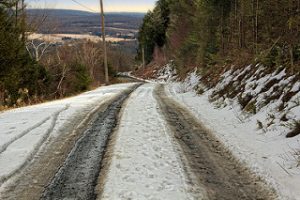
 Spring is coming, and that means longer days, more sun, and warmer weather. However, you’ll still need to deal with dangerous roads. Here are some of the potential hazards of driving in thawing New Jersey weather.
Potholes
When snow and ice melt, the water seeps into cracks in roads that are often formed by heavy snowplows. When the water freezes again at night, it expands those cracks and eventually forms potholes. You could encounter new hazards on your normal route to work or the grocery store. Hitting a pothole too fast could damage your tires, suspension, or alignment. It could even lead to an accident. Drive slowly, and watch for new hazards when ice and snow start to melt. If you notice dangerous potholes, report them before they damage someone else’s vehicle.
Animals and People
In spring, many animals emerge from hibernation. Others are searching for mates. This means that dogs, cats, rabbits, raccoons, squirrels, deer, and other animals will need to cross streets more often. Watch the sides of roads carefully for animals, and clean your headlights or change the bulbs if needed. If something comes near your vehicle, don’t risk losing control by swerving or braking suddenly. Animals are usually more active at dawn and dusk.
You should also watch for children playing in neighborhood streets, joggers, people walking their dogs, and other pedestrians. Always make complete stops and look both ways at intersections. Obey speed limits and other local traffic laws, and watch out for people who might be paying more attention to their phones or other devices than their surroundings.
Black Ice
Since the ground warms more slowly than the air, there could be ice on some roads even when the weather is above freezing. This often forms a thin layer called black ice. Instead of looking icy, the road looks wet. Many drivers don’t slow down before their tires hit the black ice, and they lose control. To avoid this, drive slowly on wet roads and make sure there’s plenty of stopping distance between you and other vehicles.
Slush
Slush is the mix of mud, ice, and snow that forms when ice starts to melt. It can slow down your car, truck, or SUV and make turning or changing lanes difficult. It can also accumulate on your windshield and block your vision. Pull over when needed to remove slush. You should also rinse the bottom of your car often to get rid of road salt and other corrosive chemicals.
Poor Maintenance
Forgetting to check your tires, have your vehicle’s oil changed, or replace your windshield wipers could lead to a breakdown or an accident. Make sure you get your vehicle’s fluid levels checked, clean your headlights, and perform other maintenance tasks. Paying for a tune-up now will be much less expensive than letting a minor issue become severe.
For more tips on driving safely in spring, contact Sea View Jeep. We can help you find a vehicle that gives you and your passengers peace of mind.
 Some rights reserved by Nichola
Connect with us

Recent Blog Entries
- Jeep Oil Filter FAQ: Common Questions About Oil Filter Replacement and Maintenance
- Jeep Oil Pressure FAQ: Common Questions About Oil Pressure Problems
- 2026 Jeep Compass: Everyday Capability, Modern Design, and Confident Performance for Ocean Township Drivers
- 2026 Jeep Grand Wagoneer: Full-Size Capability, Advanced Technology, and Refined Interior Craftsmanship
- Why Every Jeep Owner Needs to Stay on Top of Their Oil Change