





The 2027 Ram 1500 continues the legacy of one of the most recognized full-size pickup trucks by combining proven capability with advanced engineering, modern technology, and refined design. Built for drivers who need a truck that can handle demanding work while providing comfort and confidence on everyday drives, the latest Ram 1500 delivers a versatile experience across multiple configurations. With available engine choices, impressive capability features, innovative suspension technology, and a thoughtfully designed interior, the Ram 1500 stands out among full-size trucks. For drivers searching for the best truck of 2027, the Ram 1500 offers the strength, technology, and flexibility needed for a wide range of driving needs. 2027 Ram 1500 Performance and Engine Options The 2027 model year provides multiple powertrain options designed to deliver the performance drivers expect from a capable pickup truck. Whether you need strength for towing, power for hauling, or responsive performance for daily driving, the Ram 1500 offers engine choices designed around different needs. more Available engine options include: Available 5.7L HEMI® V8 engine Available 3.0L Hurricane high-output engine Available 3.0L Hurricane standard-output engine Available 3.6L Pentastar® V6 engine These engines give drivers the flexibility to choose the right balance of power, efficiency, and capability for their lifestyle. The Ram 1500’s available Hurricane engines bring advanced twin-turbocharged performance to the lineup, while the available HEMI® V8 continues to provide the traditional truck power many drivers recognize. The variety of engine options allows the 2027 Ram 1500 to serve drivers who use their trucks for work, recreation, and everyday transportation. Capability Built for Work and Adventure A pickup truck needs more than power alone. Capability comes from the combination of strength, suspension design, chassis engineering, and available features that help drivers confidently handle different situations. The 2027 Ram 1500 is engineered with features designed to support capability, including: 98% steel frame construction Multi-link coil spring rear suspension Available four-corner Active-Level™ air suspension system Advanced towing and hauling technologies The truck’s suspension design helps provide a balance between capability and ride comfort, allowing the Ram 1500 to remain composed whether carrying equipment, towing cargo, or navigating daily roads. The available four-corner Active-Level™ air suspension system can automatically adjust ride height to help improve efficiency and provide additional versatility. This technology supports the Ram 1500’s ability to adapt to changing driving conditions. A Bold Exterior Design for the 2027 Ram 1500 The 2027 Ram 1500 features a strong exterior design that blends function with a confident truck presence. Every element is designed to support capability while creating a recognizable appearance on the road. Exterior design highlights include: Strong body proportions Distinctive Ram styling elements Functional truck-focused design details Available configurations for different driving needs The Ram 1500 continues to evolve its design while maintaining the rugged appearance expected from a full-size pickup. Its exterior reflects the truck’s capability-focused engineering while providing a modern look. Advanced Technology Inside the 2027 Ram 1500 Modern truck drivers expect technology that supports productivity, convenience, and connectivity. The 2027 Ram 1500 incorporates advanced features designed to enhance the driving experience. Available technology features help provide: Improved connectivity Driver information access Convenient vehicle controls Enhanced driving support The combination of smart technology and intuitive design helps make the Ram 1500 useful for both professional and personal driving needs. Whether you are using your truck for jobsite responsibilities, weekend travel, or everyday transportation, the technology inside the Ram 1500 helps create a more connected experience. Interior Comfort and Design The interior of a modern pickup truck needs to provide more than durability. Drivers spend significant time inside their vehicles, making comfort, organization, and technology important parts of the overall experience. The 2027 Ram 1500 interior focuses on: Driver-focused controls Comfortable seating Functional storage solutions Modern technology integration Premium design elements The cabin is designed to support long drives, daily commutes, and demanding work schedules. With thoughtful details throughout the interior, the Ram 1500 provides a comfortable environment while maintaining the practical qualities truck owners value. Why the 2027 Ram 1500 Stands Out Among Full-Size Trucks The full-size pickup segment is highly competitive, but the 2027 Ram 1500 continues to distinguish itself through a combination of capability, technology, and design. Key advantages include: Multiple engine options Strong truck construction Advanced suspension technology Available performance-focused powertrains Modern interior features Versatile configurations The ability to balance everyday comfort with serious truck capability makes the Ram 1500 a strong choice for drivers who want one vehicle that can handle multiple responsibilities. Is the 2027 Ram 1500 the Best Truck of 2027? Choosing the best truck of 2027 depends on what drivers need from their pickup. For those looking for a truck that combines power, capability, technology, and everyday usability, the Ram 1500 delivers a well-rounded package. With available HEMI® V8 power, Hurricane engine options, advanced suspension technology, and a durable truck platform, the Ram 1500 continues to represent what many drivers look for in a modern full-size pickup. The 2027 Ram 1500 is designed for drivers who expect their truck to work hard, adapt to changing demands, and provide a comfortable experience every time they get behind the wheel. Explore the 2027 Ram 1500 Today The 2027 Ram 1500 brings together decades of truck expertise with modern engineering and technology. From jobsite capability to weekend adventures, this pickup is built to support drivers who need strength without sacrificing comfort. Explore the latest Ram 1500 models and discover why many truck shoppers consider it the best truck of 2027.
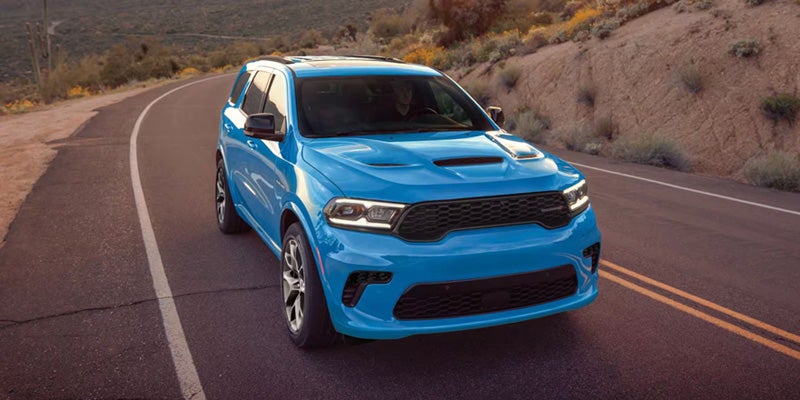
2026 Dodge Durango: Performance Meets Practical Three-Row SUV Capability
The 2026 Dodge Durango continues the legacy of a three-row SUV designed for drivers who want capability, performance, and everyday versatility in one vehicle. With powerful engine options, available performance-focused features, advanced technology, and seating for up to seven passengers, the Durango provides the flexibility needed for family drives, road trips, and daily responsibilities. Built with Dodge performance DNA, the 2026 Durango stands apart by combining SUV practicality with impressive capability. From its bold exterior styling to its driver-focused interior and available performance features, the Durango offers an experience designed for those who expect more from their SUV. 2026 Dodge Durango Performance and Engine Options The 2026 Dodge Durango offers performance capabilities designed to meet a variety of driving needs. With available HEMI® V8 engine options, the Durango delivers the power drivers expect from a Dodge SUV while maintaining the versatility of a three-row vehicle. more Available performance features include: HEMI® V8 engine options Available 6.4L HEMI® V8 engine on R/T 392 models Available supercharged 6.2L HEMI® SRT Hellcat engine Performance-focused drive modes Available performance exhaust system Available trailer-focused equipment The available 6.4L HEMI® V8 engine delivers up to 475 horsepower, while the available SRT Hellcat model brings supercharged performance to the Durango lineup. These options allow drivers to choose a configuration that matches their preferred level of capability and performance. 2026 Dodge Durango Towing Capability A capable SUV needs to handle more than passenger transportation. The 2026 Dodge Durango is designed with towing capability that supports trailers, recreational equipment, and additional cargo needs. With available towing features, the Durango offers: Available towing capacity of up to 8,700 pounds Tow ’N Go Package availability Class IV Trailer Hitch availability Integrated Trailer Brake Control availability The Durango’s combination of power and utility makes it a strong option for drivers who need an SUV that can support active lifestyles while providing comfortable passenger space. Bold Exterior Design of the 2026 Dodge Durango The 2026 Dodge Durango features an athletic design that reflects its performance-focused character. Its exterior styling combines muscular proportions with functional SUV elements, creating a vehicle that stands out on the road. Exterior highlights include: Bold Dodge styling cues Available performance-inspired appearance packages Available Blacktop® Redline Package Distinctive wheel designs Multiple exterior color options The available Blacktop® Redline Package adds unique exterior and interior design elements on select trims, creating an even more aggressive appearance. Spacious Three-Row Interior Designed for Versatility The 2026 Dodge Durango combines performance with everyday practicality through a flexible three-row interior. Designed to accommodate passengers and cargo, the Durango provides seating for up to seven occupants. Interior features focus on comfort and convenience, including: Three-row seating for up to seven passengers Available second-row Fold & Tumble seating Flexible passenger and cargo configurations Driver-focused interior layout The available Fold & Tumble second-row seats make accessing the third row easier while adding versatility for different passenger and cargo arrangements. Advanced Technology in the 2026 Dodge Durango The 2026 Dodge Durango offers technology features designed to keep drivers connected and informed. Modern connectivity options help integrate everyday digital needs into the driving experience. Available technology features include: Uconnect® touchscreen system Available 10.1-inch touchscreen display Wireless Apple CarPlay® compatibility Wireless Android Auto™ compatibility Available SiriusXM® with navigation features The Durango’s technology helps provide convenient access to navigation, entertainment, communication, and vehicle information while keeping controls within easy reach. Safety and Driver Assistance Features The 2026 Dodge Durango includes available driver assistance technologies designed to provide additional awareness and support while driving. Available safety and assistance features include: Adaptive Cruise Control with Stop Advanced braking assistance features Parking assistance technologies Driver awareness systems These features are designed to complement attentive driving by helping drivers stay aware of surrounding conditions. Trims and Customization Options The Durango lineup offers multiple configurations designed for different driving preferences. From everyday SUV capability to high-performance options, drivers can select a model that fits their needs. Available Durango models include options such as: GT models R/T models SRT Hellcat models Each configuration provides a unique combination of performance features, design elements, and available technology. Why the 2026 Dodge Durango Stands Out The 2026 Dodge Durango brings together qualities that are important in a modern SUV: passenger space, towing capability, performance, and advanced technology. Key highlights include: Three-row seating for up to seven passengers Available HEMI® V8 performance Up to 8,700 pounds of available towing capacity Advanced connectivity features Bold Dodge styling Flexible interior design Whether used for commuting, family transportation, weekend travel, or towing needs, the Durango provides a balance of capability and everyday usability. Explore the 2026 Dodge Durango Today The 2026 Dodge Durango continues to represent Dodge’s approach to creating SUVs with strong performance, practical versatility, and modern technology. With available HEMI® V8 power, flexible seating, advanced features, and impressive towing capability, the Durango is built for drivers who want more from their three-row SUV. Explore the 2026 Dodge Durango and experience a vehicle designed to handle everyday driving while delivering the performance and capability expected from Dodge.