




Engine oil is essential for keeping your Jeep’s internal components operating smoothly. While maintaining proper oil levels and using the correct oil type are important, oil pressure also plays a critical role in engine performance. Oil pressure allows the lubrication system to circulate oil throughout the engine, helping protect moving parts from excessive friction and wear.
When oil pressure becomes too low, oil may not reach important engine components as effectively as it should. This can lead to increased stress on the engine and may require professional attention. Recognizing the signs of an issue can help Jeep owners address concerns before they become more serious.
At The Jeep Store in Ocean Township, NJ, drivers can receive professional diagnostic and maintenance services from a team familiar with Jeep vehicles. Whether you drive a Jeep Wrangler, Grand Cherokee, Gladiator, Compass, Cherokee, or another model, proper oil maintenance supports dependable performance on and off the road.
Frequently Asked Questions About Jeep Oil Pressure
What is oil pressure and why is it important?
Oil pressure refers to the force that moves engine oil through the lubrication system. As your Jeep’s engine operates, the oil pump circulates oil through passages to reach important internal components that require lubrication.
Regular maintenance helps:
- Deliver oil to engine components
- Reduce friction between moving parts
- Support engine temperature control
- Protect internal engine surfaces
- Maintain smooth engine operation
Without sufficient oil pressure, engine components may not receive the lubrication needed for proper function.
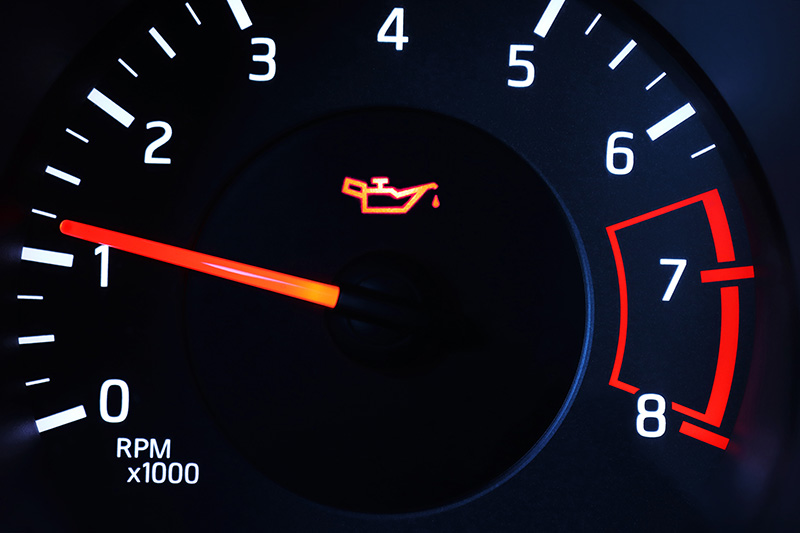
What does the Jeep oil pressure warning light mean?
The oil pressure warning light indicates that the vehicle has detected a possible issue with the engine’s oil system. This warning should be taken seriously because low pressure may affect engine protection.
When the oil pressure warning light appears, drivers should:
- Safely move the vehicle off the road when possible
- Turn off the engine if the warning remains active
- Check for visible oil leaks
- Schedule a professional inspection
The warning light does not always identify the exact cause. A technician can perform diagnostic testing to determine whether the issue involves oil levels, sensors, the oil pump, or another component.
What causes low oil pressure in a Jeep?
Several issues can contribute to low oil pressure. Some causes may be related to maintenance, while others involve components within the engine’s lubrication system.
Common causes include:
- Low engine oil levels
- Oil leaks
- Incorrect oil viscosity
- A worn or failing oil pump
- Blocked oil passages
- A damaged pressure sensor
- Internal engine wear
Because different issues can create similar symptoms, proper diagnosis is important to determine the correct repair.
Can driving with low oil pressure damage my Jeep?
Low oil pressure can create additional stress on engine components because oil may not circulate properly throughout the engine. Continuing to drive with an active oil warning may increase the risk of engine wear or damage.
Potential concerns include:
- Increased friction between engine components
- Reduced lubrication
- Unusual engine noises
- Possible internal engine damage
If your Jeep displays an oil pressure warning, having it inspected promptly can help identify the cause and protect your vehicle.
What are the signs of an oil pressure problem in a Jeep?
Concerns may appear through warning lights, changes in engine operation, or unusual sounds. Paying attention to these signs can help Jeep owners seek service sooner.
Common symptoms include:
- Oil warning light
- Engine ticking or knocking noises
- Reduced engine performance
- Unusual engine sounds during acceleration
- Oil leaks underneath the vehicle
- Burning oil smells
- Increased engine temperature
If you notice these signs, professional inspection can help determine whether the issue is related to oil pressure or another engine system.
How is a Jeep oil pressure issue diagnosed?
Diagnosing oil pressure problems requires a detailed inspection of the vehicle’s lubrication system. Technicians evaluate multiple components to identify the source of the concern.
A Jeep oil pressure inspection may include:
- Checking engine oil level and condition
- Inspecting for possible oil leaks
- Testing oil pressure readings
- Evaluating the oil sensor
- Inspecting the oil pump operation
- Reviewing vehicle diagnostic information
Accurate diagnosis helps ensure the correct service recommendation is provided for your Jeep.
Can a faulty sensor cause a warning light?
Yes. The oil pressure sensor monitors the vehicle’s oil pressure levels and sends information to the vehicle’s computer system. If the sensor is damaged or malfunctioning, it may provide inaccurate readings or trigger a warning light.
A faulty sensor may cause:
- Intermittent oil pressure warnings
- Incorrect pressure readings
- Dashboard alerts without an actual pressure problem
A professional inspection can determine whether the sensor or another component is causing the warning.
How can I help maintain proper oil pressure in my Jeep?
Regular maintenance helps support the health of your Jeep’s lubrication system. Following recommended service intervals and addressing warning signs early can help maintain proper engine operation.
Helpful maintenance practices include:
- Checking oil levels regularly
- Following the recommended maintenance schedule
- Using the correct oil type for your Jeep model
- Addressing leaks promptly
- Scheduling inspections when warning lights appear
Proper care helps support your Jeep’s performance whether you use it for daily driving, highway trips, or off-road adventures.
Why Choose The Jeep Store for Oil Service?
Jeep vehicles are engineered for versatility, capability, and durability. Maintaining proper engine operation requires accurate diagnostics and service procedures designed for Jeep models.
At The Jeep Store in Ocean Township, NJ, experienced technicians understand Jeep systems and can help identify oil pressure concerns. Professional service allows drivers to receive accurate inspections and maintenance support tailored to their vehicle.
Benefits of choosing a Jeep service center include:
- Technicians familiar with Jeep vehicles
- Access to Jeep-specific diagnostic information
- Proper inspection procedures
- Assistance identifying related engine concerns
- Service recommendations based on vehicle condition
Schedule Jeep Oil Service at The Jeep Store in Ocean Township, NJ
Maintaining proper oil pressure is an important part of protecting your Jeep’s engine and supporting reliable performance. If your Jeep displays an oil pressure warning light, makes unusual engine noises, or shows signs of a lubrication issue, professional inspection can help identify the cause.
The Jeep Store in Ocean Township, NJ provides expert service support for Jeep drivers throughout the area. Schedule an inspection to help keep your Jeep operating properly and ready for your next adventure.
Connect with us

Recent Blog Entries
- Jeep Oil Filter FAQ: Common Questions About Oil Filter Replacement and Maintenance
- Jeep Oil Pressure FAQ: Common Questions About Oil Pressure Problems
- 2026 Jeep Compass: Everyday Capability, Modern Design, and Confident Performance for Ocean Township Drivers
- 2026 Jeep Grand Wagoneer: Full-Size Capability, Advanced Technology, and Refined Interior Craftsmanship
- Why Every Jeep Owner Needs to Stay on Top of Their Oil Change